Last updated November 20, 2026
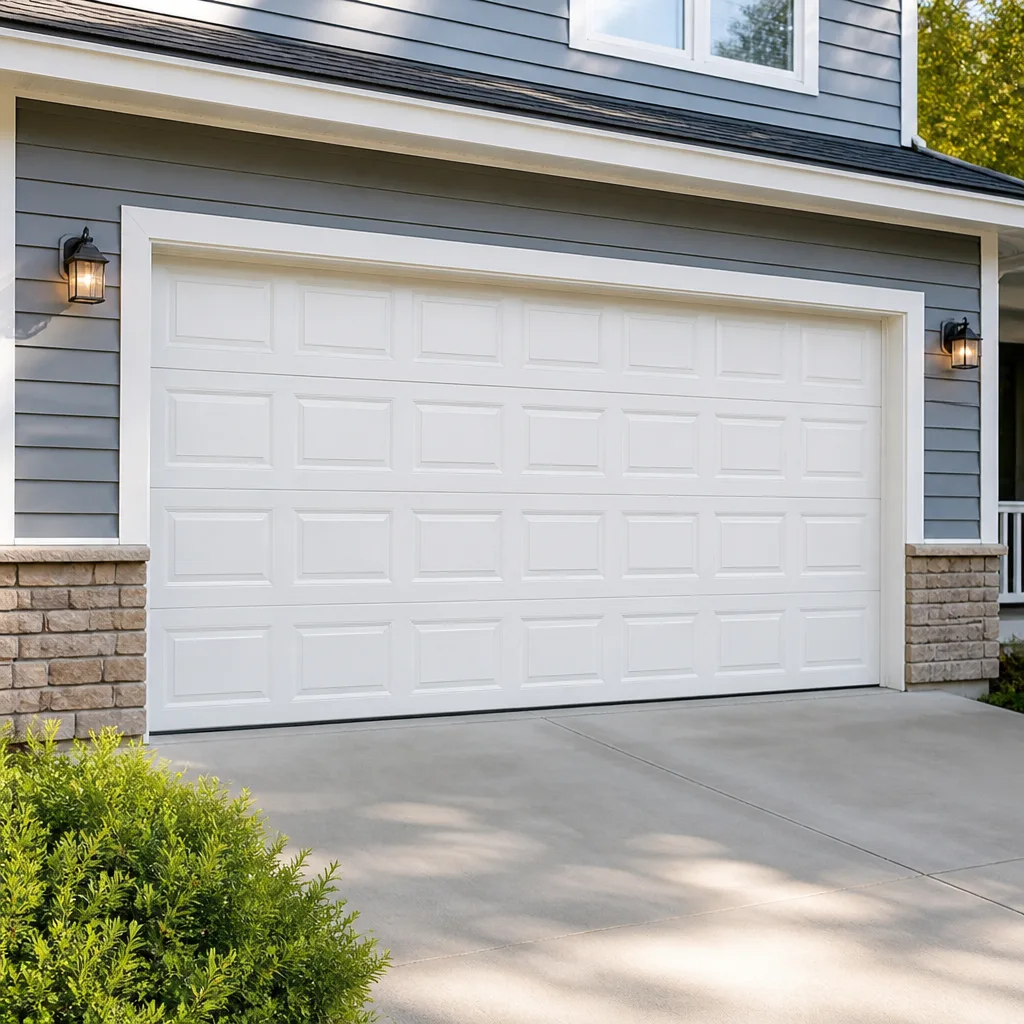 Raised-panel steel
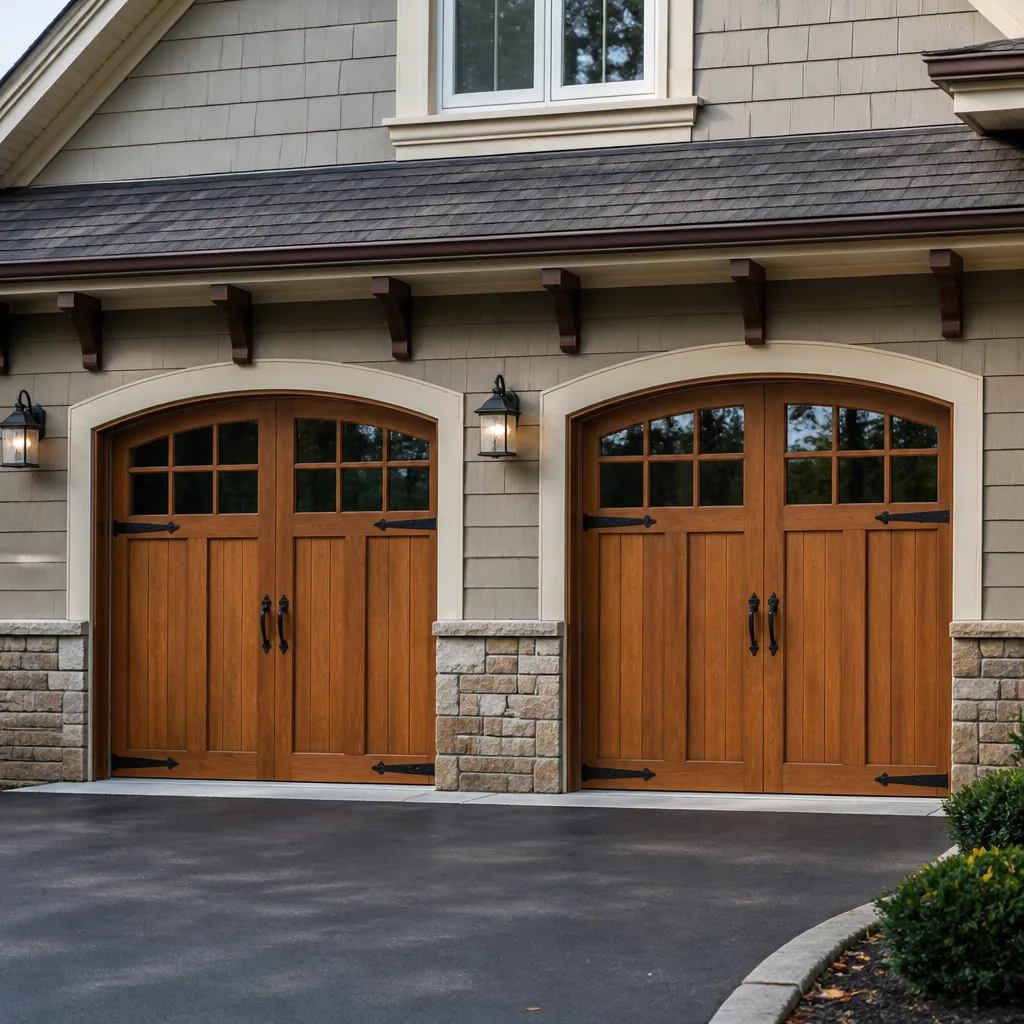 Carriage house
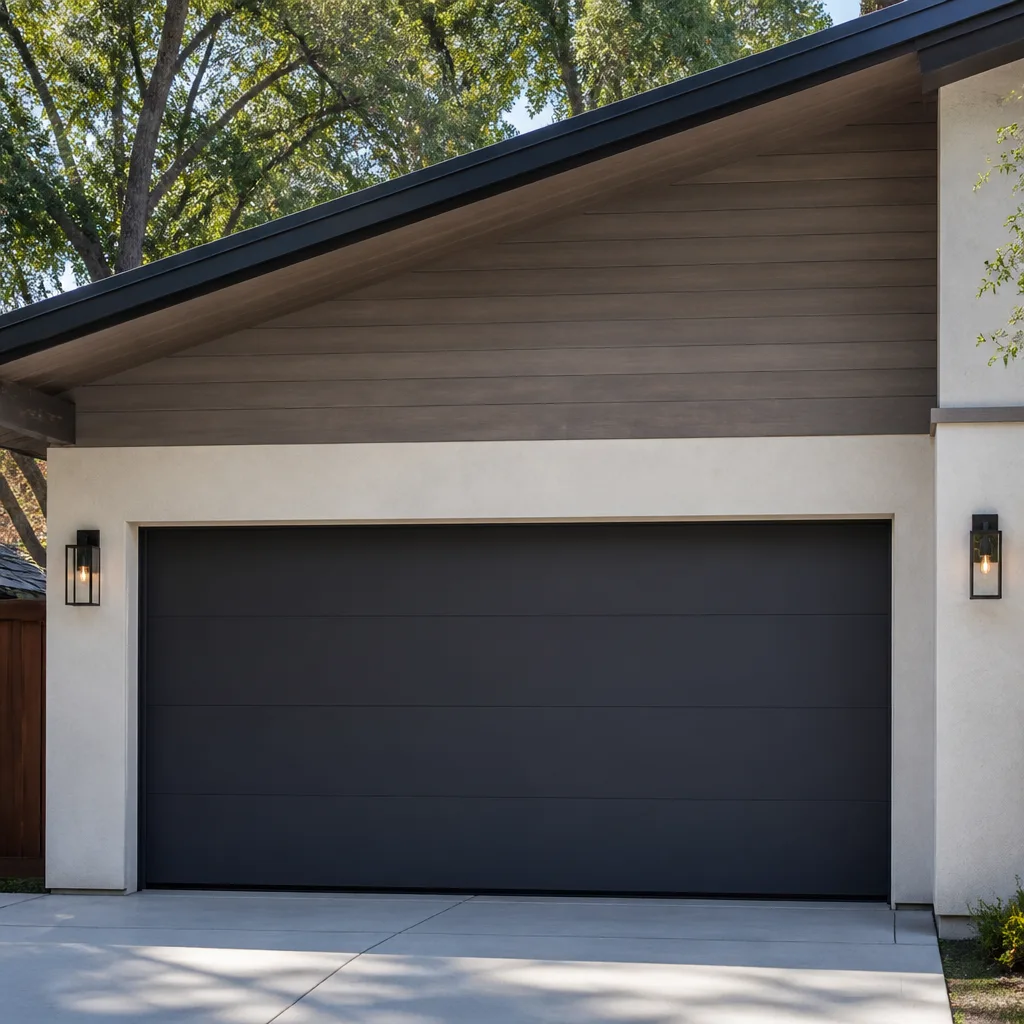 Modern flush
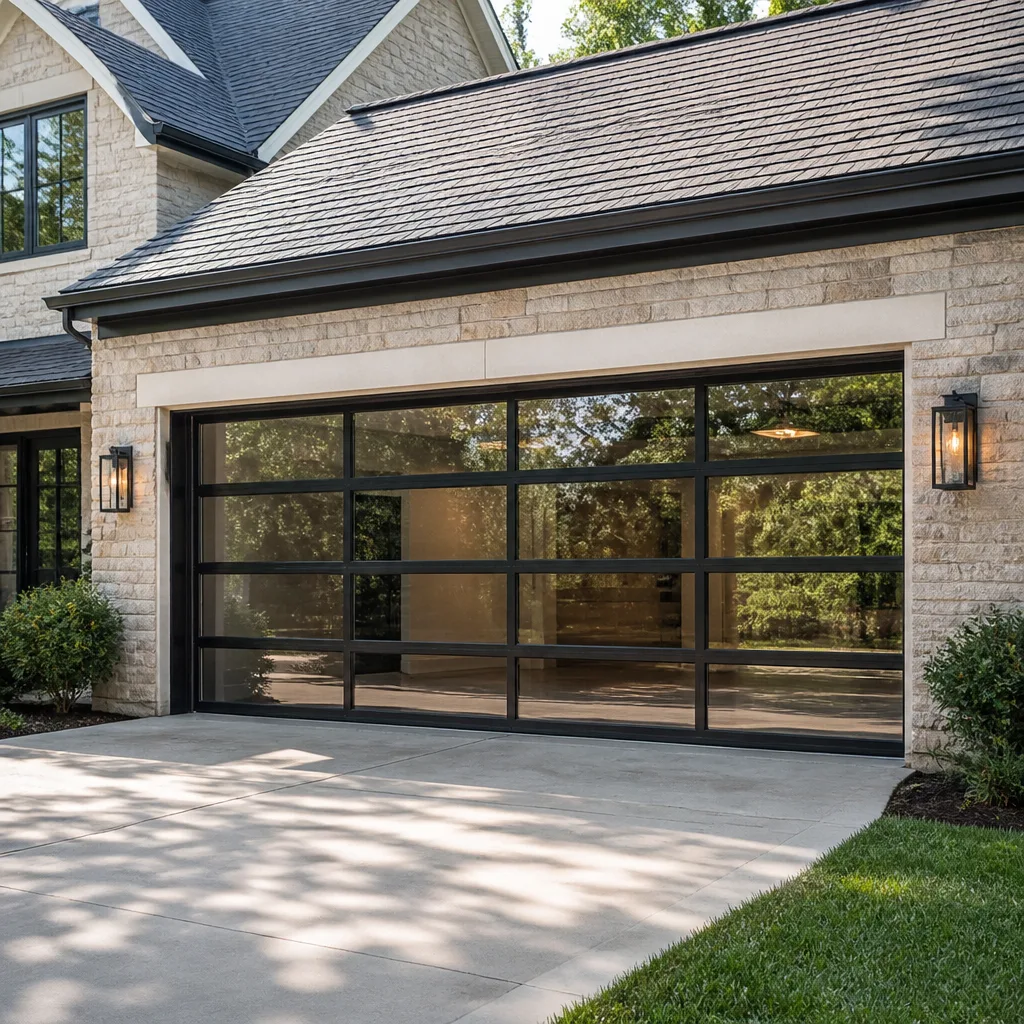 Full-view glass
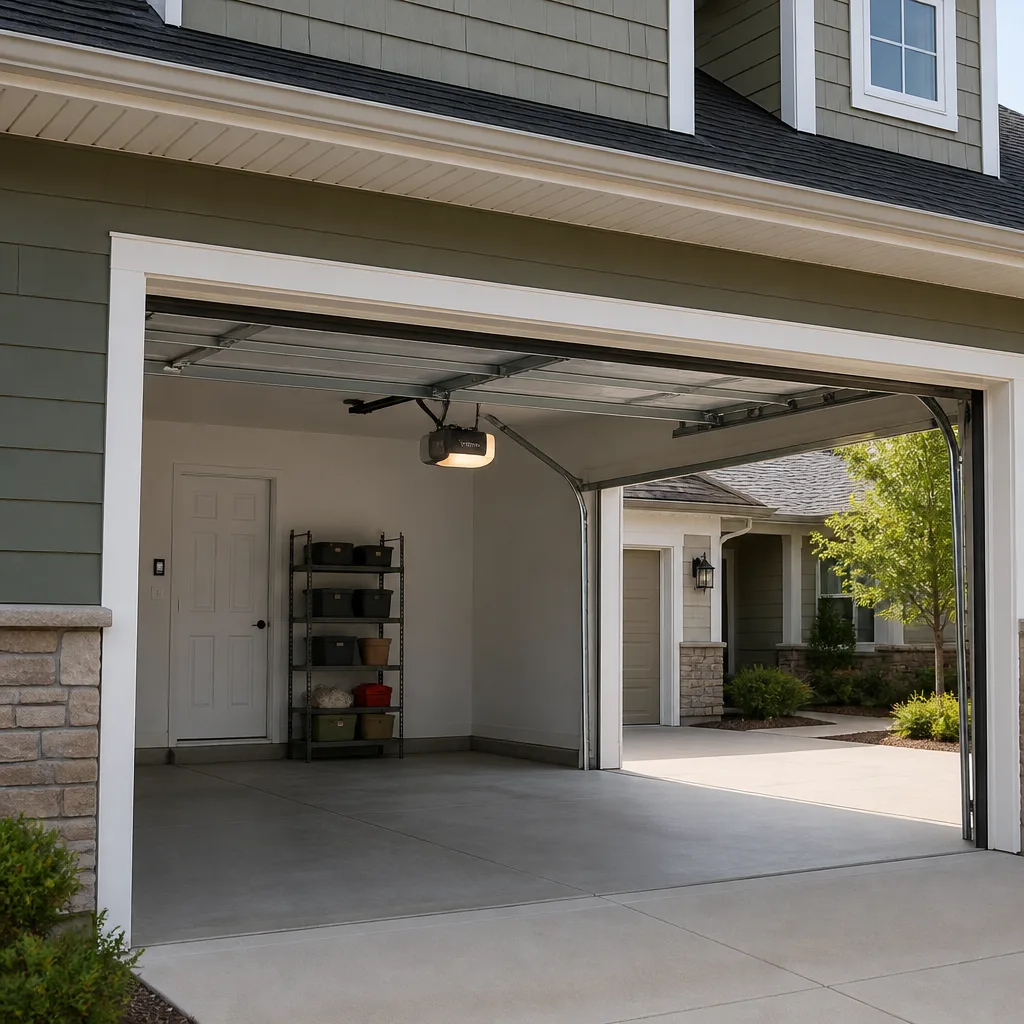 LiftMaster openers
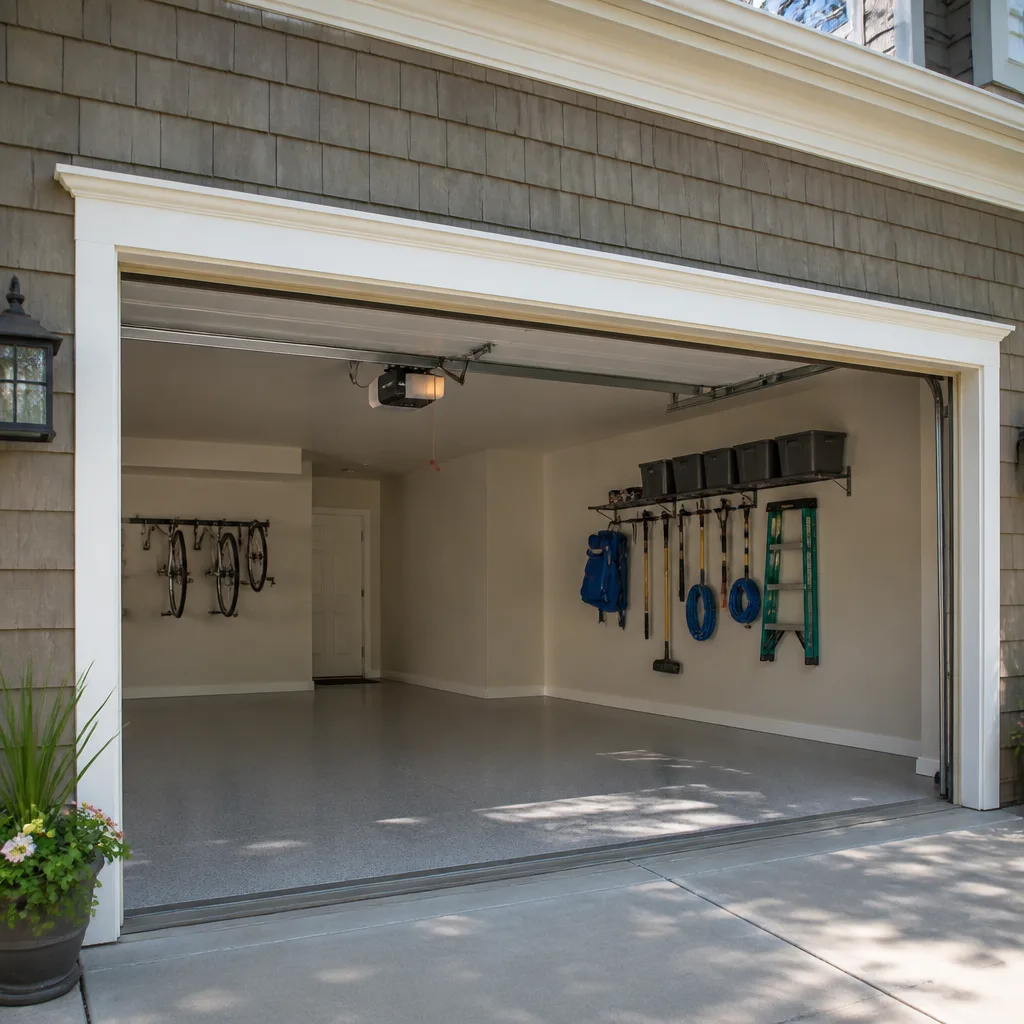 Chamberlain openers
Full 25-point door and opener safety check with every visit - springs, cables, rollers, tracks, and your LiftMaster or Chamberlain opener included
You get a price before we start. It does not change when the pro arrives.
Get your free estimateSeasonal Garage Door Care for Westgate: Year-Round Homeowner’s Guide
Most homeowners assume a garage door wears out from use, and use alone. In Westgate, the calendar does more damage than the button on the wall. A torsion spring that felt perfectly balanced in September is carrying a different load by January, because cold metal contracts and a spring wound for mild weather is suddenly working harder for every inch it travels. The door hasn’t changed. The conditions around it have, and they change again in April, again in July, and again in October. This guide maps each Westgate season to the specific mechanical threat it creates, so the maintenance stops feeling like a chore list and starts making sense. Our technicians have up to 9 years of experience reading exactly these patterns, and we’ll walk you through them.
Quick Answer
Seasonal garage door care in Westgate means adjusting what you check to what the weather is doing: in winter you watch spring tension, bottom seal contact and lubrication viscosity; in spring you inspect fasteners and floor edges loosened by freeze-thaw; in summer you watch opener motor heat and UV damage to rubber seals; in fall you run a full pre-winter audit. A 30-second monthly safety check catches most developing problems before they become failures, and anything involving springs or cables should go to a trained technician, not a homeowner with a winding bar.
Styles & brands we work with
- Raised-panel steel
- Carriage house
- Modern flush
- Full-view glass
- LiftMaster openers
- Chamberlain openers
Table of Contents
- Winter in Westgate: When Cold Metal Changes the Math
- Spring: Freeze-Thaw, Fasteners and the Floor Edge
- Summer: Heat, Thermal Cutout and UV Breakdown
- Fall: The Pre-Winter Audit That Prevents January Calls
- The Monthly 30-Second Safety Check
- Brand-Specific Care: LiftMaster, Chamberlain, Craftsman and Raynor
- Repair or Replace? Reading the Door’s Overall Condition
- Common Mistakes to Avoid
- When to Call a Professional
Winter in Westgate: When Cold Metal Changes the Math
Between November and March, a torsion spring in Westgate loses tension not because it’s aging, but because steel contracts in sustained sub-freezing temperatures. The coil gets tighter, the door gets heavier to the spring, and the opener compensates by pulling harder. That’s the first thing to understand about winter here: the same spring, on the same door, is under meaningfully different stress in January than it was in September. When homeowners call us in a cold snap saying the door “suddenly got heavy,” nothing sudden happened. The load crept up over weeks.
Two other winter effects show up constantly. The bottom seal, that rubber strip along the floor, hardens in the cold and can freeze to the concrete overnight, so the opener strains to break it loose on the first cycle each morning. And standard lubricants thicken below roughly 20°F, turning rollers and hinges stiff and adding drag to every cycle. The right answer is a low-temperature lubricant formulated to stay viscous in cold, applied sparingly to hinges, rollers, and the spring coil surface, never to the tracks or the opener rail.
What to watch for in a Westgate winter:
- A door that opens slowly on the first cycle of a cold morning and speeds up later
- Visible gaps under the bottom seal where it has stiffened or frozen
- Grinding or groaning at the hinges and rollers instead of a smooth roll
- The opener straining audibly on the way up but running quiet on the way down
If the door is lifting unevenly, or the opener struggles even after a fresh cold-weather lube, stop cycling it and have a technician check spring tension. A spring that’s lost calibration and keeps getting worked is a spring on borrowed time, and this is the exact season when garage door spring repair calls spike.
Spring: Freeze-Thaw, Fasteners and the Floor Edge
As winter releases its grip, Westgate’s freeze-thaw cycle goes to work on the things holding your door in place. Water gets into concrete joints and small cracks along the garage apron, freezes, expands, and shifts the slab edge. That matters to a garage door because the bottom seal depends on a flat, even floor line. When the concrete edge heaves or crumbles slightly, you get a seal that no longer sits flush: daylight shows underneath, drafts and pests get in, and the opener has to fight a door that’s catching on a raised lip.
The same expansion and contraction that moves concrete also moves the door frame. Fasteners along the tracks and the header work themselves slightly loose over a season of thermal cycling, especially lag bolts that were never torqued fully to begin with. A track that’s a few millimetres out of plumb will make the door rub, and the rubbing sounds like a roller problem when it’s really an alignment problem.
A sensible spring inspection, in order:
- Walk the floor line under the closed door. A visible gap or a rough, crumbled concrete edge means the seal can’t do its job.
- Check every bolt and lag screw along both tracks and the header. A hand-wobble test is enough to find the loose ones.
- Look at the gap between the door panel and the track on each side. It should be even top to bottom.
- Listen for a rhythmic scrape as the door travels. Rhythm means it’s mechanical, not weather.
This is also the season to look closely at the cables. Fraying, kinked or slack cables are a stop-and-call situation. Cables are under extreme tension and are genuinely dangerous to touch. Leave them to a technician every time. Homeowners in Westgate should treat any cable issue as a professional matter, not a weekend project.
Summer: Heat, Thermal Cutout and UV Breakdown
Summer in Westgate attacks the door from two directions at once: heat on the electronics, and sun on the rubber. Opener motors, especially in garages that face west or bake without ventilation, have a thermal cutout that shuts the unit down when it gets too hot. A door that works fine in the morning but refuses to move on a hot afternoon is often doing exactly what it’s designed to do. The opener is protecting itself. Persistent cutouts, though, usually point to a real problem underneath: a door that’s running heavy, a motor that’s aging, or an obstructed track adding drag.
UV is the slow one. Rubber weatherstripping along the bottom and sides breaks down under direct sun, going from supple to brittle and cracking over successive summers. In a hot garage, the timeline compresses. A seal that stayed flexible for years elsewhere can crack and separate noticeably faster in Westgate sun. When the seal starts splitting at the corners or pulling away from the panel edge, replace it. It’s inexpensive, and it protects the door itself from water.
Humidity adds a third threat: wood panel doors warp. Garage door panels built with wood frames or wood facing can swell and bow in humid stretches, and a warped panel pressing against a track looks and sounds almost exactly like a misaligned track. The distinction matters because the fix is completely different. A warped panel won’t respond to track adjustment; the panel itself needs attention.
Watch for these heat-season signs:
- Opener quits after several cycles on a hot afternoon, then works once it cools
- Weatherstripping that’s hard, cracked or separated at the corners
- Daylight or water getting in where there was none last summer
- Panels that look bowed or rub the track on only one side
If the opener keeps cutting out, or the door is running heavy in the heat, have the drive system checked before a hot streak turns a nuisance into a breakdown. Our garage door opener repair work covers LiftMaster and Chamberlain units, and we can tell you fast whether it’s thermal behavior or a failing component.
Fall: The Pre-Winter Audit That Prevents January Calls
The two most common winter emergency calls in Westgate are a snapped torsion spring and a door frozen open. Both are predictable, and both can be prevented by a proper fall audit. The logic is simple. A door that enters winter heavy, poorly lubricated, or with a seal that’s already failing starts the cold season under stress it can’t absorb. Give the system a real inspection before the first hard freeze and you remove the typical causes.
Run this checklist before winter:
- Lubricate hinges, rollers and the spring with a cold-rated lubricant, not a summer-weight oil.
- Test the door’s balance by hand (door closed, opener disconnected) and note where it settles. A balanced door holds its position mid-travel; a heavy one sags.
- Check the bottom seal for stiffness or gaps, and replace it if it’s lost flexibility.
- Look along both tracks for loose fasteners and tighten them.
- Test the safety reversal with a solid object under the door and confirm it reverses on contact.
- Have the opener tested on both cycles under load, in both directions.
- Do a visual cable check for fraying or kinks. Stop and call if you find any.
The “frozen open” scenario is the other january call, and it usually starts with a door left open or half-cycled in cold. When seal and track freeze, the opener can fail to close the door, and the homeowner comes home to it standing open. A well-lubricated seal and clean track make freezing far less likely, and knowing the manual release procedure (pull the red handle, operate the door by hand, re-engage) is worth five minutes of your time now, before you need it in a snow drift.
The Monthly 30-Second Safety Check
One habit catches the large majority of developing problems: a quick monthly check that takes half a minute and requires no tools. Done consistently, it catches a door that’s drifting out of balance, a safety reversal that’s stopped working, or a cable that’s starting to fray, all before any of them becomes a real failure. In our experience, homeowners who run this check monthly in Westgate avoid most of the emergency calls that fill a winter schedule.
The three parts of the check:
- Balance test. With the door closed, pull the manual release to disconnect the opener. Lift the door by hand to about waist height and let go. A balanced door stays put. A door that drifts down is telling you the spring tension is off.
- Reversal test. Reconnect the opener, then place a solid object (a piece of wood or a bucket) under the door and press close. The door should reverse on contact. If it doesn’t, stop using the opener until it’s fixed. That safety feature is the main protection between your door and anything in its path.
- Cable inspection. With the door closed, look at the cables on each side. They should be clean and taut with no fraying, kinks or slack coils. Anything wrong here is a stop-and-call, never a do-it-yourself fix.
Add a visual check for loose bolts and a fresh dab of lubricant on the hinges every few months, and you’ve covered the routine items. The monthly habit doesn’t make the door maintenance-free, but it does make problems visible while they’re still cheap to fix.
Brand-Specific Care: LiftMaster, Chamberlain, Craftsman and Raynor
Garage door systems aren’t universal, and the right care differs by what’s installed on your ceiling. We service LiftMaster, Chamberlain, Genie, Clopay, Amarr, Wayne Dalton, Craftsman and Raynor, and part of doing that well is knowing how each brand behaves when it’s under thermal or load stress. Two examples: LiftMaster and Chamberlain openers use similar drive logic, so their thermal cutout behavior and error codes follow comparable patterns, letting a technician read the unit rather than guess. Older Craftsman and Raynor installations, by contrast, often pair with doors whose hardware has a longer service history, which changes what you inspect first.
Brand knowledge matters most in two moments: when you need a part, and when the door misbehaves in a way that could be opener or door. Having openers from several major lines in scope means we can diagnose by the specific logic of the unit instead of testing one brand’s assumptions against another’s hardware. It also cuts the “we’ll have to order that” delay that hits single-brand shops when a customer’s door is something else entirely.
What you can do yourself by brand:
- Log your make and model from the opener’s label or the door’s edge, and keep it with your home records.
- Use the opener’s own manual diagnostics (most LiftMaster and Chamberlain units display a diagnostic code for a fault) before calling.
- Check the drive type: chain, belt or screw. It determines what noises are normal and which are not.
- Note whether the door is a wood, steel or composite panel before you apply anything to the hinges or spring.
When the diagnosis points to the door itself, our garage door repair work covers the full range of brand-matched panels and hardware, so the door and the opener get treated as one system by the same specialist.
Repair or Replace? Reading the Door’s Overall Condition
A garage door is a system, and the seasonal damage we’ve described accumulates. At some point the honest question is whether to keep repairing a door or replace it. There isn’t a single correct answer, but there are signals. A door that needs a second panel replacement in two seasons, or whose frame has drifted out of plumb more than once, is telling you the structure is tired. A door that needs only a seal, a spring, or a set of rollers is usually worth keeping.
What to weigh:
- Age and frequency of repair. Repeated repairs to panels, tracks or the frame suggest the system is past its useful life.
- Structural issues. Panels that warp every humid summer, or tracks that won’t stay aligned, are structural problems.
- Safety concerns. A door that can’t pass the reversal test after adjustment, or that has visible cable or spring damage, is a safety issue first and a repair decision second.
- Match to your needs. A door that’s undersized, uninsulated, or simply the wrong style can be replaced for reasons that have nothing to do with failure.
The decision is simpler when the same specialist handles both. We install new doors as well as repairing existing ones, so if the repair is the better value, we say so. If the door has reached its limit, a garage door installation means a clean start with the door sized and specified for your opening and your climate, not a stopgap. Either way, you get a written price before the work starts, so there’s no surprise on the invoice.
Common Mistakes to Avoid
- Lubricating the tracks. Tracks are meant to stay clean and dry. Oil attracts grit, rollers skid, and the door starts catching. Lubricate hinges, rollers and the spring, never the track.
- Using summer-weight oil in winter. Standard oil thickens below roughly 20°F and adds drag. Use a cold-rated lubricant when you’re prepping for a Westgate winter.
- Ignoring an uneven bottom seal in spring. A seal that’s out of contact after freeze-thaw lets water in, and water in the garage is a bigger problem than a draft.
- Assuming a hot-day opener failure is random. Thermal cutout is the unit protecting itself. Persistent cutouts usually point to a door that’s running heavy or a motor nearing the end, so have it diagnosed instead of waiting for a full breakdown.
- Adjusting a torsion spring yourself. The torsion spring stores enormous mechanical energy and can cause severe injury if it lets go. This is the single repair most worth leaving to a trained technician.
- Skipping the monthly reversal test. A reversal that quietly stops working leaves a child or pet unprotected. It’s a 15-second check that deserves a fixed place on your calendar.
- Treating a warped panel as a track problem. In a humid Westgate summer, a bowed wood panel can mimic a misaligned track. Adjusting the track won’t fix it because the panel itself is the issue.
See the difference
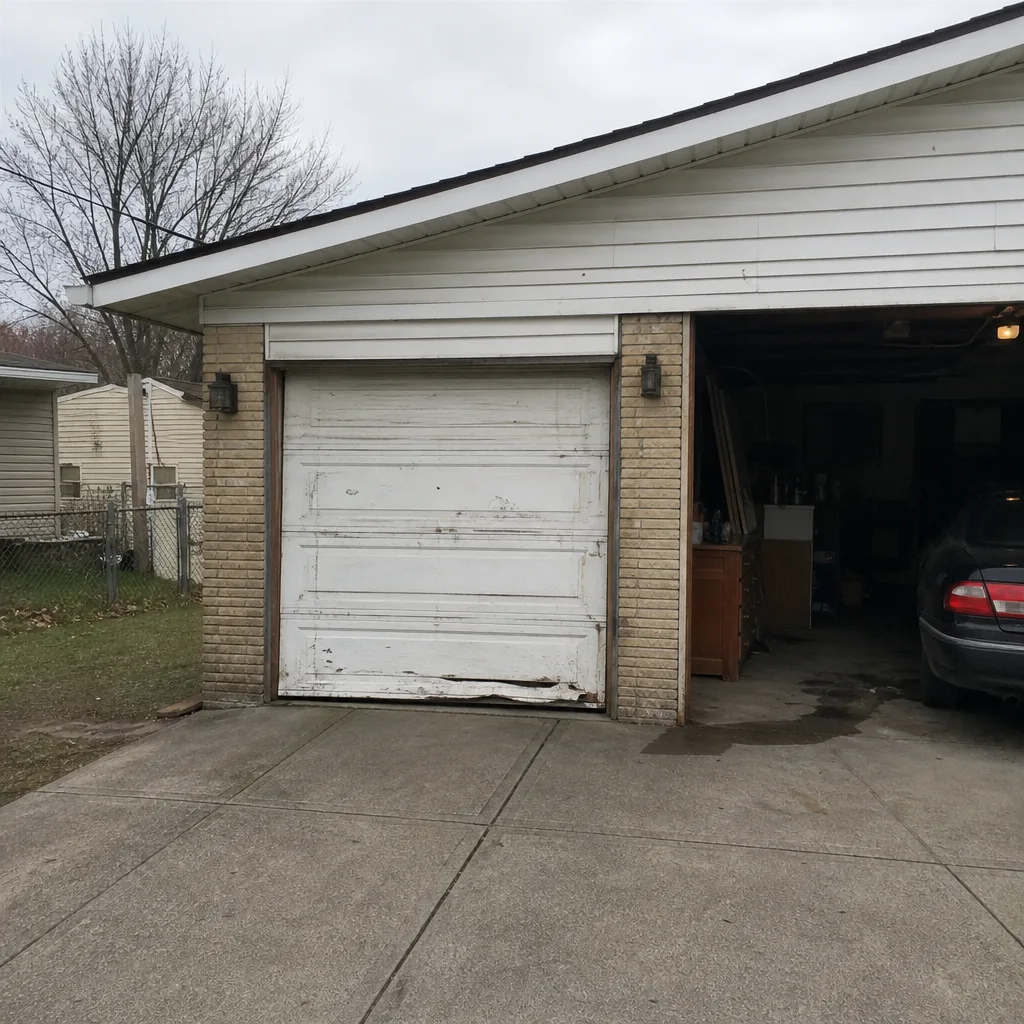 Before
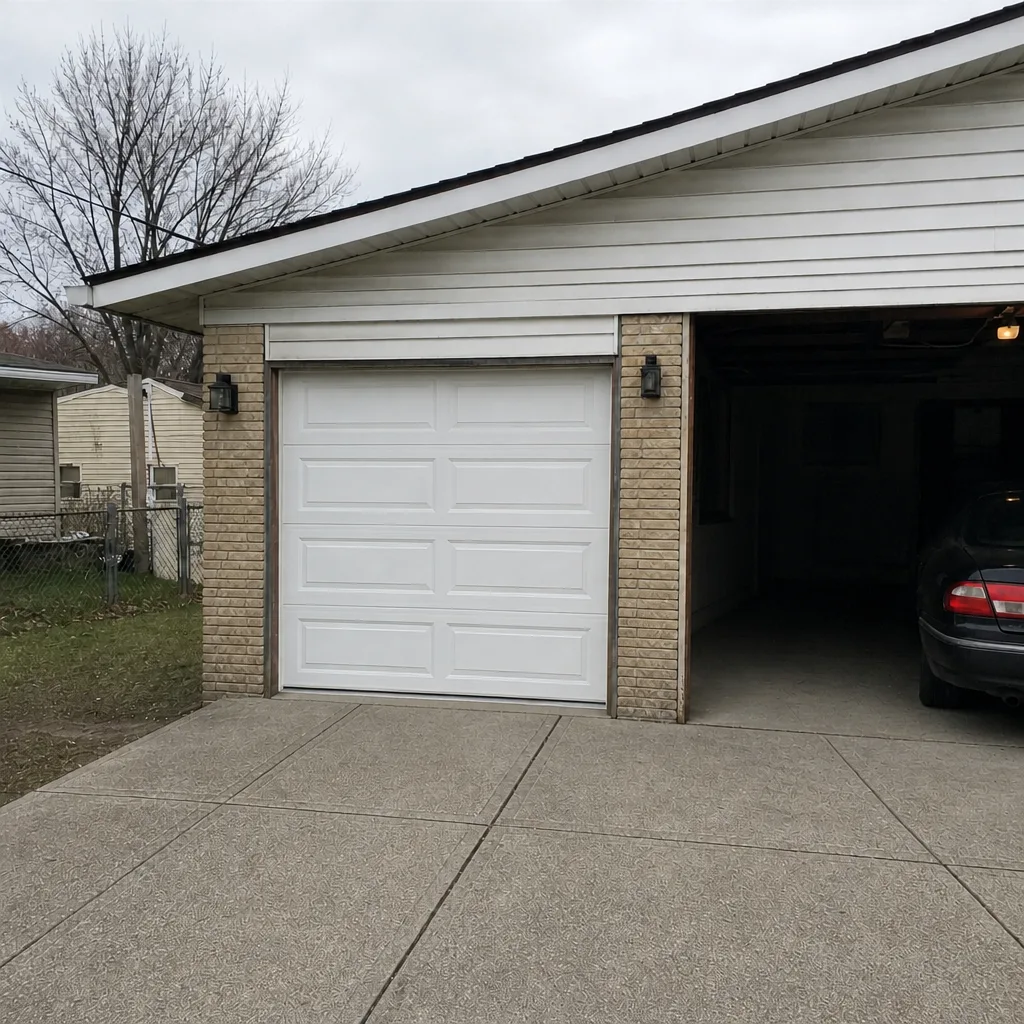 After
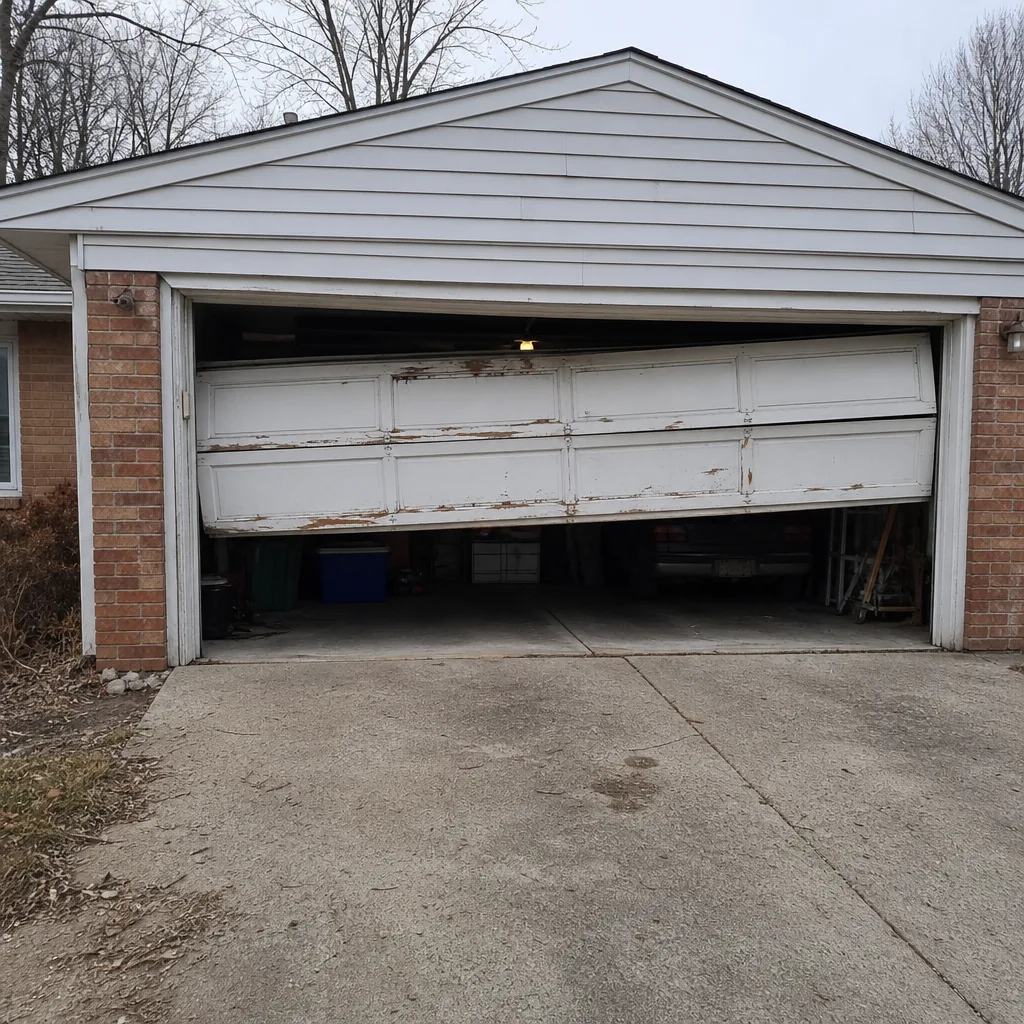 Before
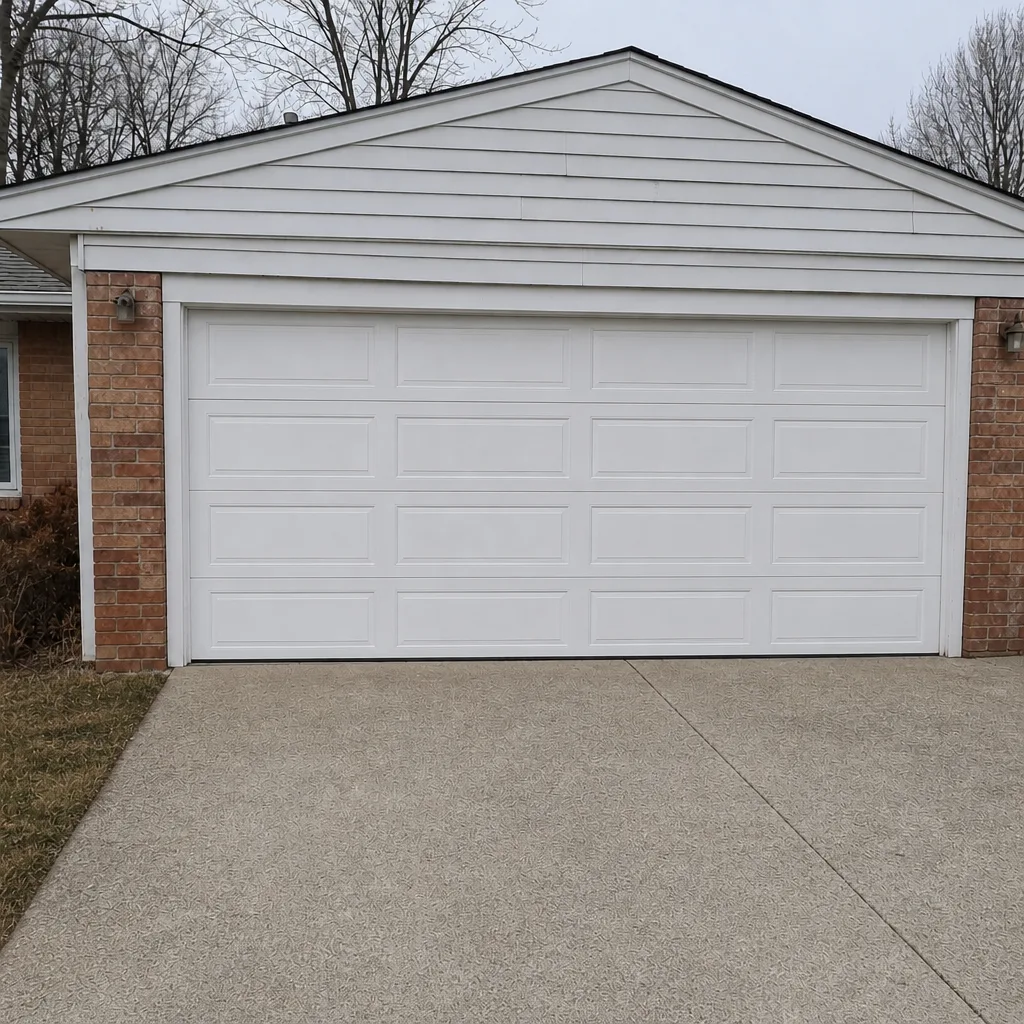 After
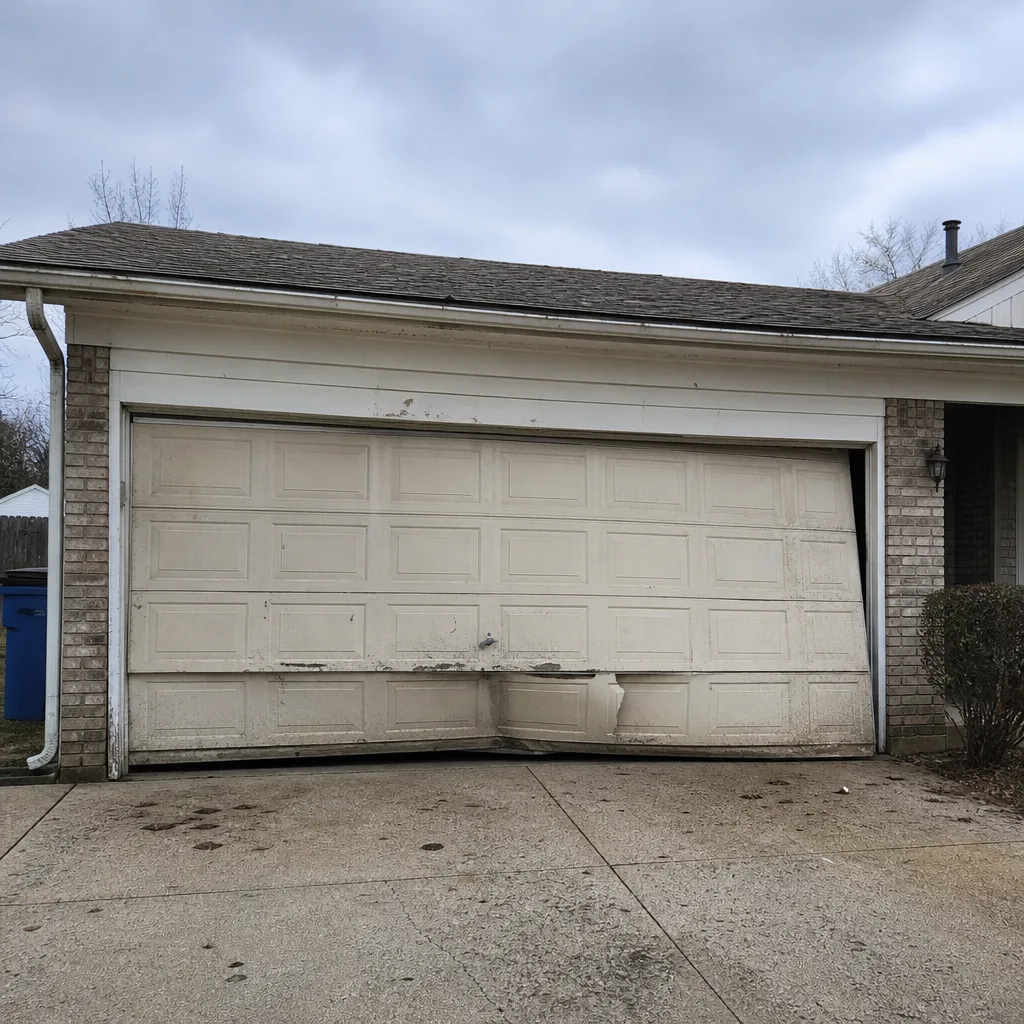 Before
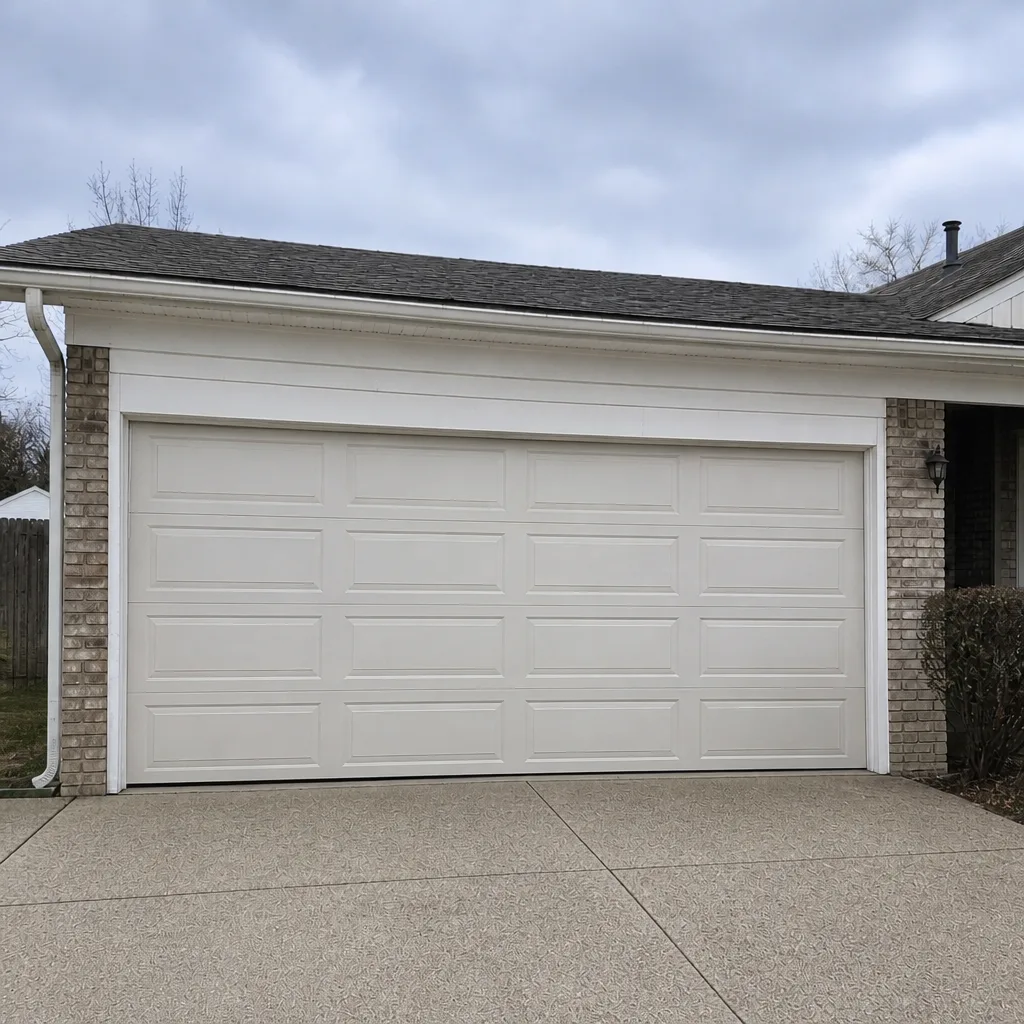 After
When to Call a Professional
Some jobs are a matter of judgment; these are not. Call a professional whenever springs, cables or the opener’s electrical components are involved, whenever the door won’t stay balanced after a manual release, or whenever a reverse test fails after a reasonable adjustment. Those categories carry real injury risk and a homeowner with a wrench should not be the first responder. Also call if a door is frozen open or won’t close, if a panel is cracked, or if the opener has failed repeatedly in the same way. Garage Door Repair Westgate offers free estimates in Westgate; call (844) 263-6149 and we’ll give you a written price before any work starts, so you know exactly what it will cost. If you’re dealing with a specific problem, call first and we can point you at the right service.
Frequently Asked Questions
Twice a year, at the start of winter and the start of spring, plus a quick monthly safety check the rest of the time. Winter prep is the more important of the two in Westgate because cold contraction, frozen seals and thickened lubricant put the door under its greatest stress. The spring audit catches freeze-thaw and fastener issues before they cause rubbing or tracking problems. Call (844) 263-6149 if you’re unsure what a check should include.
You can lubricate the hinges, rollers and spring surface yourself, as long as you keep the track clean and dry and use a cold-rated lubricant in winter. Anything involving the spring’s adjustment, the cables, or the opener’s internal components is a professional job. Spring tension and cable work carry serious injury risk, so leave both to a trained technician. Call (844) 263-6149 if you want a professional spring check.
Because cold metal contracts, and a torsion spring that was perfectly calibrated in mild weather is tighter and harder to turn in sustained sub-freezing temperatures. Add a bottom seal that freezes to the floor and lubricant that thickens below about 20°F, and the opener is doing more work in January than it did in October. A spring that’s slightly out of calibration will show it first in a cold snap. Call (844) 263-6149 if the door feels heavy.
Three things: the balance of the door, the safety reversal, and the condition of the cables. For balance, disconnect the opener and see whether the door holds its position at waist height; a door that drifts down is out of balance. For reversal, put a solid object under the door and confirm it reverses on contact. For the cables, look for fraying or kinks with the door closed. Any cable problem means stop using the door and call (844) 263-6149.
It should, but thermal cutout is a real behavior in hot, unventilated garages. The motor shuts off when it overheats, which is the unit protecting itself, and it usually restarts once it cools. If the cutout happens repeatedly, the underlying cause is usually a door running heavy, a drag in the track, or a motor that’s failing, and that needs diagnosing rather than waiting out. Call (844) 263-6149 for an opener check.
Yes. We service garage doors and openers from LiftMaster, Chamberlain, Genie, Clopay, Amarr, Wayne Dalton, Craftsman and Raynor. That means we read the door and opener by their brand-specific logic instead of assuming one brand behaves like another, and it reduces the wait when a part has to be sourced. Call (844) 263-6149 and tell us your make and model for the fastest start.
The Bottom Line
Seasonal garage door care in Westgate comes down to understanding one thing: the weather changes the load on your door, and the maintenance changes with it. Watch spring tension and seal contact in winter, fasteners and the concrete floor edge in spring, opener heat and UV-damaged weatherstripping in summer, and run the full pre-winter audit in fall. Add the monthly 30-second safety check, and you’ll catch most developing problems while they’re still small. Springs and cables always go to a trained technician. Everything else, you can own yourself. Call (844) 263-6149 for a free estimate whenever you need one, and we’ll give you a written price before work starts.
Written by the team at Garage Door Repair Westgate.