Last updated November 20, 2026
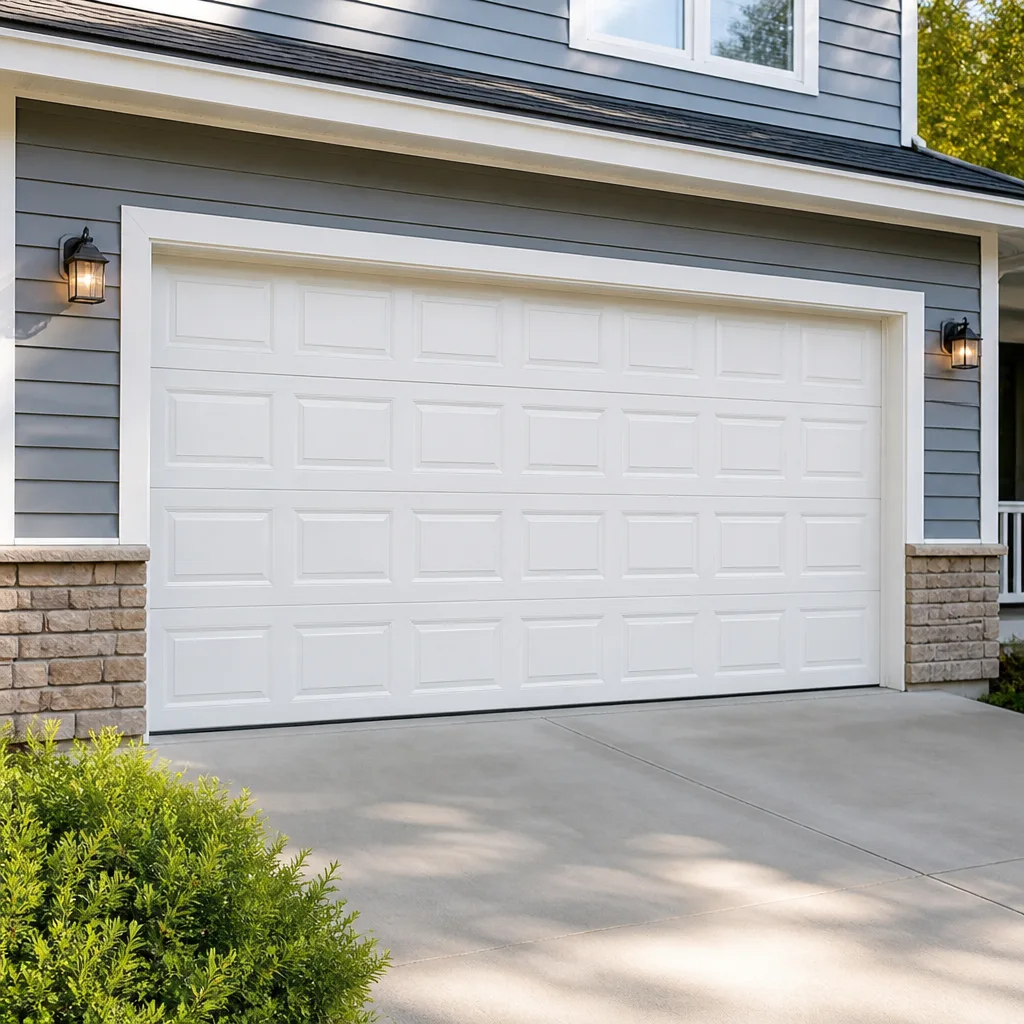 Raised-panel steel
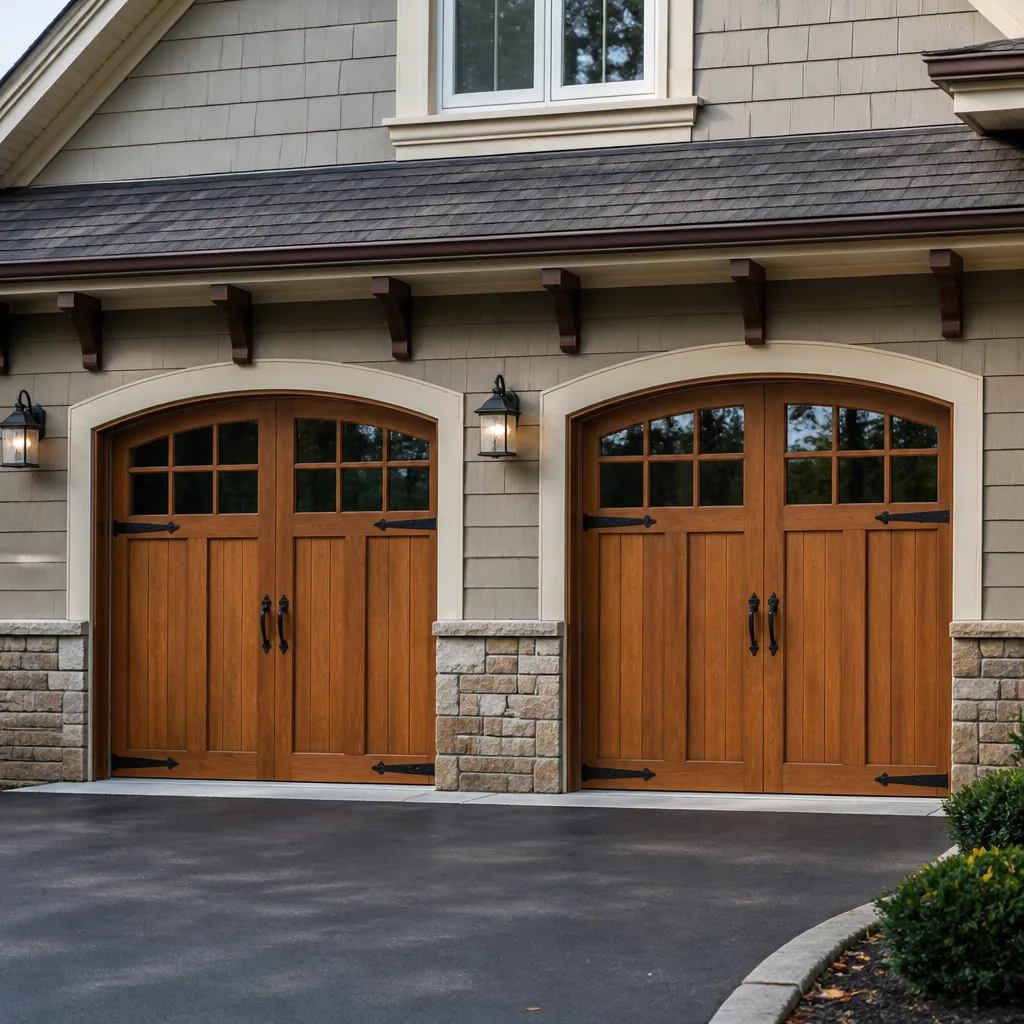 Carriage house
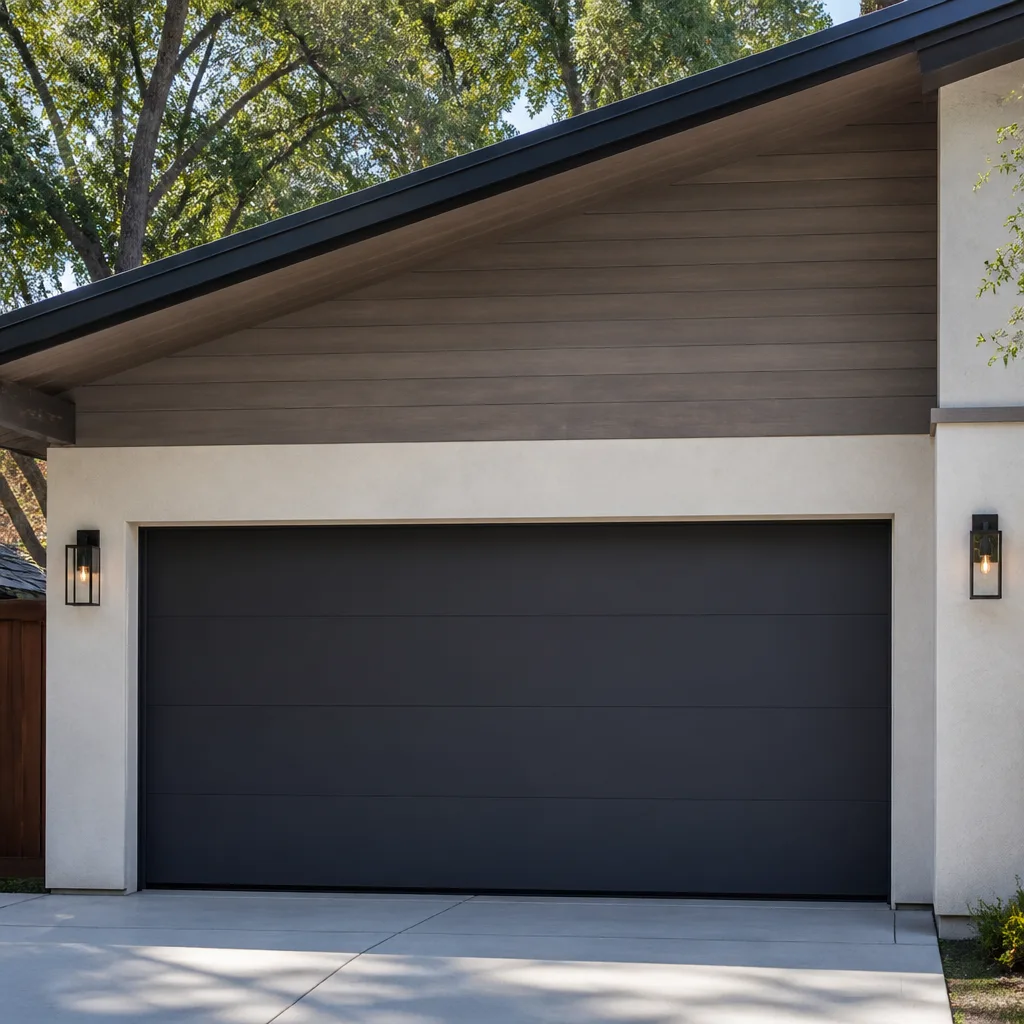 Modern flush
 Full-view glass
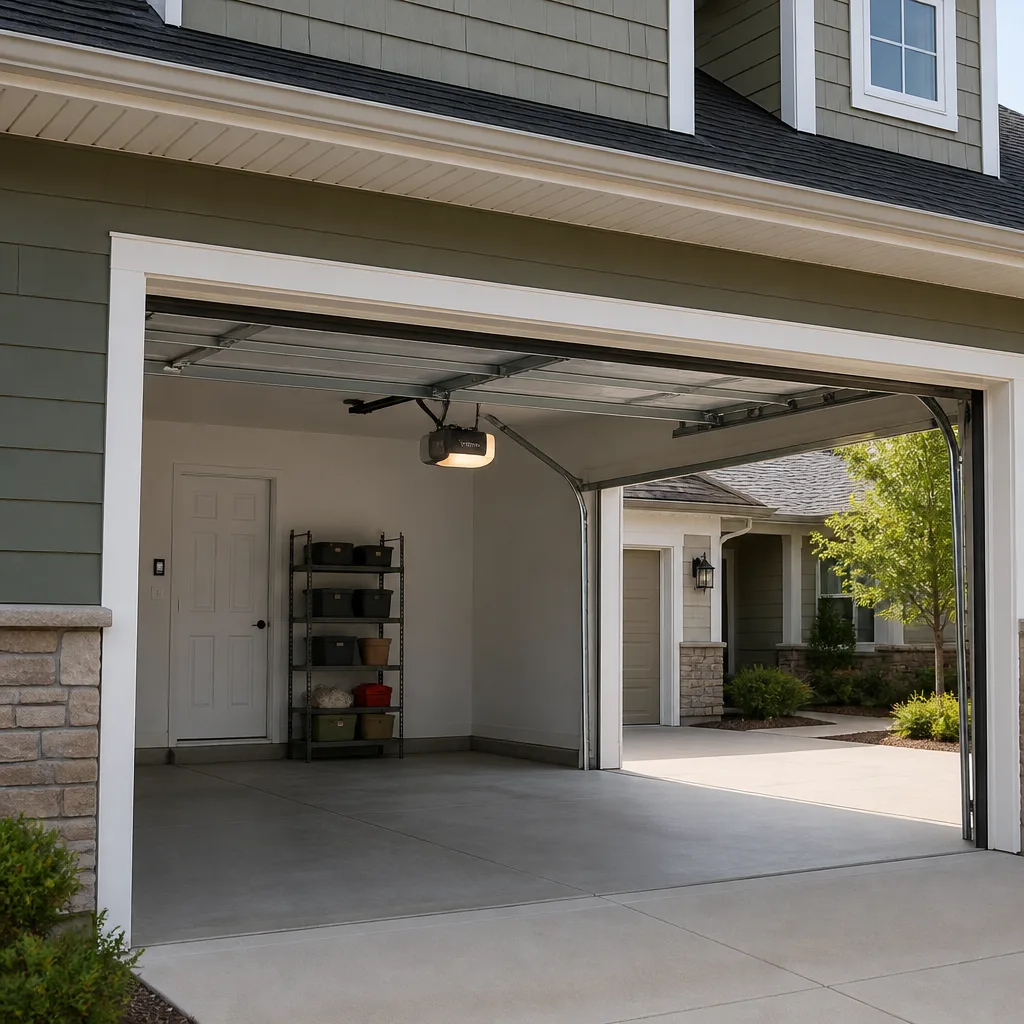 LiftMaster openers
 Chamberlain openers
Full 25-point door and opener safety check with every visit - springs, cables, rollers, tracks, and your LiftMaster or Chamberlain opener included
You get a price before we start. It does not change when the pro arrives.
Get your free estimateHow to Hire a Garage Door Contractor in Westgate: A Step-by-Step Guide
Most Westgate homeowners assume the hardest part of a garage door problem is the door itself. It isn’t. The harder problem is figuring out who should touch it. Ohio doesn’t issue a separate contractor license for garage door work, so a general handyman and a dedicated door specialist can legally quote the same spring repair. That single fact reshapes the whole hiring decision: you can’t lean on a license plate or a credential to tell them apart. You have to vet process, brand knowledge, and what goes into a written estimate. This guide walks through the exact questions, verification steps, and red flags that separate a specialist from a generalist. It’s written for Westgate and the surrounding neighborhoods, where older housing stock and hard seasonal swings put doors through real wear.
Quick Answer
To hire a garage door contractor in Westgate, verify three things before you let anyone quote: that they specialize in garage doors rather than treating them as side work, that they know your door’s specific brand and hardware, and that they’ll put a written estimate in front of you with part numbers, spring cycle rating, labor scope, and warranty terms. Ask the five technical questions in this guide, check the brand dealer locators for LiftMaster and Clopay, and walk away from anyone who quotes a spring over the phone without weighing the door.
Styles & brands we work with
- Raised-panel steel
- Carriage house
- Modern flush
- Full-view glass
- LiftMaster openers
- Chamberlain openers
Table of Contents
- Why a Garage Door Specialist Beats a General Handyman
- The Five Technical Questions to Ask Before Any Quote
- How to Verify Brand Authorization in 90 Seconds
- What a Legitimate Written Estimate Must Include
- Red Flags Specific to Garage Door Work
- How to Read a Warranty (Parts, Labor, and “Lifetime”)
- What Westgate’s Climate Does to Doors and Hiring Timelines
- Deciding Between Repair and Replacement
Why a Garage Door Specialist Beats a General Handyman
A garage door looks simple from the driveway. It’s a panel hung on tracks with a motor. Up close it’s a counterbalanced mechanical system under constant tension, with springs storing enough energy to cause serious injury when released wrong. That’s the first reason to hire a specialist. The second is diagnostic: doors fail in brand-specific ways, and someone who works across one or two brands reads a symptom through a narrower lens.
We service eight of the most widely installed residential brands under one roof: LiftMaster, Chamberlain, Genie, Clopay, Amarr, Wayne Dalton, Craftsman, and Raynor. That range matters for a Westgate homeowner in a specific way. When a door is making a new noise or an opener is behaving oddly, the technician’s first move is brand-specific. A LiftMaster logic board fault doesn’t behave like a Genie drive failure. A Clopay panel profile doesn’t shim the same way a Raynor does. A generalist works from general rules. A specialist works from what that exact system is known to do.
There’s a practical cost angle too. General handymen often decline spring work outright, because it’s injury-risk work that requires the right winding bars and a real understanding of tension. If you hire a generalist for a spring problem and they take it, you’ve hired whoever didn’t have the good sense to say no. Specialty matters most on the jobs where the stakes are highest.
Full-service coverage compounds the advantage. The same company handling a broken opener remote, a snapped spring, a dented panel, and a full new door installation means no handoffs mid-job and no second contractor diagnosing hardware the first one installed. That continuity is one call covering the whole door.
The Five Technical Questions to Ask Before Any Quote
These five questions are the fastest filter in this guide. A knowledgeable specialist answers them with specifics and, often, a clarifying question of their own. A generalist evades, hedges, or answers in vague generalities. Ask them on the phone before you book anything.
- “How do you determine the right spring for my door?” The correct answer involves the door’s weight and the spring’s cycle rating. A specialist will talk about weighing the door or identifying the existing spring’s wire size and inside diameter. Anyone who answers “we match the old one” without more is guessing. A matched pair is normally replaced together on a two-spring door, and that’s a different price than one spring.
- “What cycle rating does the replacement spring carry?” Springs are rated by how many open-and-close cycles they’re built for. A specialist knows the difference between a standard-cycle and a high-cycle spring and can explain the trade-off. A generalist often doesn’t know the term.
- “How do you diagnose opener problems?” A real answer walks through the drive type, motor, safety sensors, and the logic board. A strong answer asks whether the opener is one of the units they service regularly – LiftMaster, Chamberlain, Genie, Craftsman, and the rest – and says so by name.
- “Do you repair or replace first, and who decides?” A specialist will tell you which one makes sense before quoting. They’ll say a damaged panel can often be replaced alone, that a tired opener can usually be repaired at the component level, and that they’ll tell you plainly when replacement is the smarter money. A generalist tends to steer toward the job they can do.
- “What’s in your written estimate, and what’s your warranty?” The right answer names part numbers, spring cycle rating, labor scope, and the warranty terms in writing. The wrong answer is a number over the phone with nothing behind it.
In our experience, the last question separates the field faster than the first four. A contractor who can’t tell you what’s in their own estimate won’t produce one worth signing. Learn more about how we approach garage door repair when you want to see what a specialist’s process looks like from the inside.
How to Verify Brand Authorization in 90 Seconds
Brand manufacturer programs publish dealer and installer locators on their own websites. LiftMaster and Clopay both maintain them. Amarr publishes one too. The company that makes your door or opener keeps a list of who’s authorized to sell and install their equipment, and that list is public. Looking up a contractor takes about 90 seconds and immediately removes anyone who isn’t on it.
Why this matters more than it might seem: the locator is the manufacturer vouching for the relationship. It’s a neutral third party, not a badge the contractor printed themselves. Westgate has plenty of contractors who advertise garage door work without any brand affiliation. Some are competent. Some aren’t. The locator is the fastest way to tell which is which without taking anyone’s word.
Pair the locator check with a phone question. Ask, “Do you service Wayne Dalton and Raynor doors?” and listen for an answer that names the brands specifically rather than “we work on everything.” A company that services eight major brands can talk about the differences. A company that’s never touched a Raynor will go quiet. The brand range also matters for parts: a wider roster means fewer “we’ll need to order that” delays, because there’s more chance the component your door needs is already in play.
What the locator doesn’t tell you is whether the company treats garage doors as their core work. That’s where the five questions above and the written estimate section below come in. Together they cover the two halves of the hiring decision: brand access and process quality.
What a Legitimate Written Estimate Must Include
A written estimate separates a professional from someone quoting at the door. The right document includes six things. Most lowball quotes include one or two.
- Part numbers and manufacturer. A spring is not a spring. A quote should name the exact replacement part, and for a spring, the wire size and the cycle rating. For a panel swap, the panel line and profile.
- Spring cycle rating. The cycle rating tells you what you’re actually buying. A standard-cycle spring and a high-cycle spring are different products with different expected life. If the quote doesn’t state it, you can’t compare bids.
- Labor scope in plain language. How many springs are being replaced? Is the pair being replaced, or one? Does the labor cover re-tensioning, lubrication, balance checks, and safety sensor adjustment, or just the swap?
- Opener work described at the component level. If a logic board, drive gear, motor, or sensor is being replaced, the quote should say so. A general “opener repair” line doesn’t tell you what failed or why.
- Warranty terms attached to the quote. Parts and labor separately, with what voids them. A quote without warranty language isn’t a quote.
- A stated price you can compare line by line. One lump sum hides everything above. A line-item estimate lets you compare three bids fairly in one sitting.
A specialist will also usually tell you that a written estimate is a firm range, not a guess. The written price sets the final number. If the technician opens the door and finds something the phone quote couldn’t see, a good outfit tells you before touching the work rather than billing you for surprises.
The same standard applies to a bigger job. If you’re replacing the door entirely, ask for the manufacturer in the estimate by name (Clopay, Amarr, or another of the eight), the panel style, and the hardware that ships with it. See what a proper garage door installation estimate covers when you’re planning a replacement rather than a repair.
Red Flags Specific to Garage Door Work
These are the signals we hear about most often when a Westgate homeowner calls us after someone else has already been out. None of them requires an expert eye. They’re process warnings.
- Quoting a spring job over the phone without asking about the door. You can’t price a spring without knowing the door’s weight or the existing spring’s spec. Anyone who gives a number anyway is pricing from a menu, not your door.
- Pushing opener replacement when the springs are the actual failure. A door that won’t lift because the springs are weak looks like an opener problem. A specialist checks the balance first. A generalist may replace the opener to solve a symptom.
- An unmarked van with no business address. Branded or unmarked is less the issue than the address question. Ask for a business address and a written estimate on a business letterhead or email. Vague answers here are the loudest warning sign on this list.
- No part numbers or cycle ratings in the quote. A specialist quotes a replacement spring by spec. A document without them is not one you can compare against another bid.
- No warranty terms provided until you ask twice. A legitimate contractor states their warranty up front. Manufactured hesitation about warranty is a red flag regardless of how good the price looks.
- Pressure to decide on the spot, in cash. The written estimate exists so you can think. Anyone who resists that is managing the deal, not the job.
- No mention of safety checks on the door. A professional balances the door, checks the safety sensors, and tests the auto-reverse. A job that skips these is a job that hasn’t been finished.
How to Read a Warranty (Parts, Labor, and “Lifetime”)
Warranty language is where garage door contracts quietly diverge. The three types that matter behave very differently when something actually fails.
A parts-only warranty covers the replacement component but not the trip out or the labor to install it. If a spring fails at month 18, you may get the spring free and pay the labor to have it fitted. That’s a real cost, and it’s invisible until you need it.
A labor warranty covers the workmanship. If the door is out of balance or a sensor was wired wrong, they come back and correct it. What it usually doesn’t cover is the part failing on its own. Strong contracts split these clearly.
A system warranty covers parts and labor together on a defined job. These are the ones to ask about specifically on spring and opener work, because a full-cycle spring with a system warranty gives you a real promise rather than half of one.
Then there’s the word “lifetime.” In manufacturer fine print, lifetime almost always refers to the life of the part in its original installation, not the life of your door or your ownership. It’s frequently non-transferable, which means if you sell the house, the new owner may have nothing. Pull the actual warranty document before the work starts and read three lines: what’s covered, what voids it, and whether it transfers. If it isn’t in writing, assume it’s not there.
Opener work needs its own warranty conversation, because today’s units integrate smart-home features and connectivity alongside the motor and drive. Ask what the opener warranty covers at the component level. For more on how that conversation should go, see garage door opener repair.
What Westgate’s Climate Does to Doors and Hiring Timelines
Westgate’s winters are cold and long enough that a door left half-broken in fall tends to become a serious problem by January. Iron and steel components contract in deep cold. Springs that were already tired lose more as the temperature drops. The door that groaned through October is the door that won’t come up in a hard frost.
If you’re scheduling repair work, get it done before the cold settles in. If you’re ordering a new door, the same advice holds but for a different reason: measure and ordering timelines are longer than people expect. A new door has to be measured, ordered to size, and scheduled. That’s not a same-day job. What you should expect from any installation contractor is a free measure and a written price. What you shouldn’t expect, on installation or replacement, is a promise of same-day service or a dispatch time. Measure, order, schedule – that’s the sequence.
Older housing stock around Westgate adds a wrinkle. Plenty of doors here are original to the house, which means they’re heavier and the spring setup may predate current standards. That’s exactly the scenario where matching a part by eye fails and a proper weigh-and-spec step pays off. It’s also the case where a technician’s years on the job show up in the estimate: our technicians have up to 9 years of experience, and old doors are part of what that experience covers.
One more local note on timing. If a door fails and you need it handled outside the usual day, early mornings or Sundays are the windows to ask about. If it fails on a Saturday, call and we’ll book you for Sunday.
Deciding Between Repair and Replacement
The repair-versus-replace call is the single question homeowners ask most, and it deserves a straight answer. Repair usually wins when the door’s panels are structurally sound and the failure is mechanical: a spring, an opener component, a roller, a cable, a sensor. Replacement usually wins when the door has significant panel damage, when multiple components are failing at once, or when the existing door lacks safety features you want.
Three checks decide it in most cases.
- Is the door balanced? Disconnect the opener and lift the door halfway by hand. A balanced door stays put. If it slams down or feels extremely heavy, the springs are the problem, and that’s repair work.
- Is the panel structure intact? Cracks, deep dents, or separation in the panel assemblies usually point toward replacement. One damaged panel can often be swapped alone if the line is still in production.
- Is the opener healthy? If the opener is failing at the same time as the springs, replace or repair the springs first and re-test. A specialist will tell you the order.
The most expensive mistake here is replacing a door to solve a spring problem, or replacing an opener to solve a spring problem. Both are common when the diagnosis skips the balance check. A specialist tells you which one makes sense before quoting, and doesn’t direct you toward the bigger job when the smaller one will do. This is also where brand knowledge pays off: a Clopay panel that’s still available is a repair; a discontinued Wayne Dalton or Raynor profile may not be, and that changes the math.
Common Mistakes to Avoid
- Hiring on price alone. The cheapest spring quote is often the one that skips the weigh step and quotes a generic part. You’ll pay for the gap later.
- Not asking what’s in the written estimate. A number without part numbers and cycle rating can’t be compared. You’ll end up choosing between unknowns.
- Skipping the brand locator. The 90-second check on LiftMaster, Clopay, or Amarr’s installer list is the fastest way to eliminate a bidder who isn’t authorized. Skip it and you’re relying on advertising.
- Assuming a license proves garage door expertise. Ohio doesn’t issue a separate garage door license, so a valid general contractor license says nothing about whether the company knows door systems.
- Booking an installation like it’s a repair. Installation means measure, order, schedule. Expecting same-day installation sets up a bad experience for you and the contractor.
- Taking “lifetime warranty” at face value. Read the fine print for what voids it and whether it transfers. A non-transferable warranty may be worth little at resale.
- Waiting out a failing spring until winter. In a Westgate cold snap, a weakened spring that’s been groaning since fall can fail at the worst time. Address the warning signs before the temperature drops.
See the difference
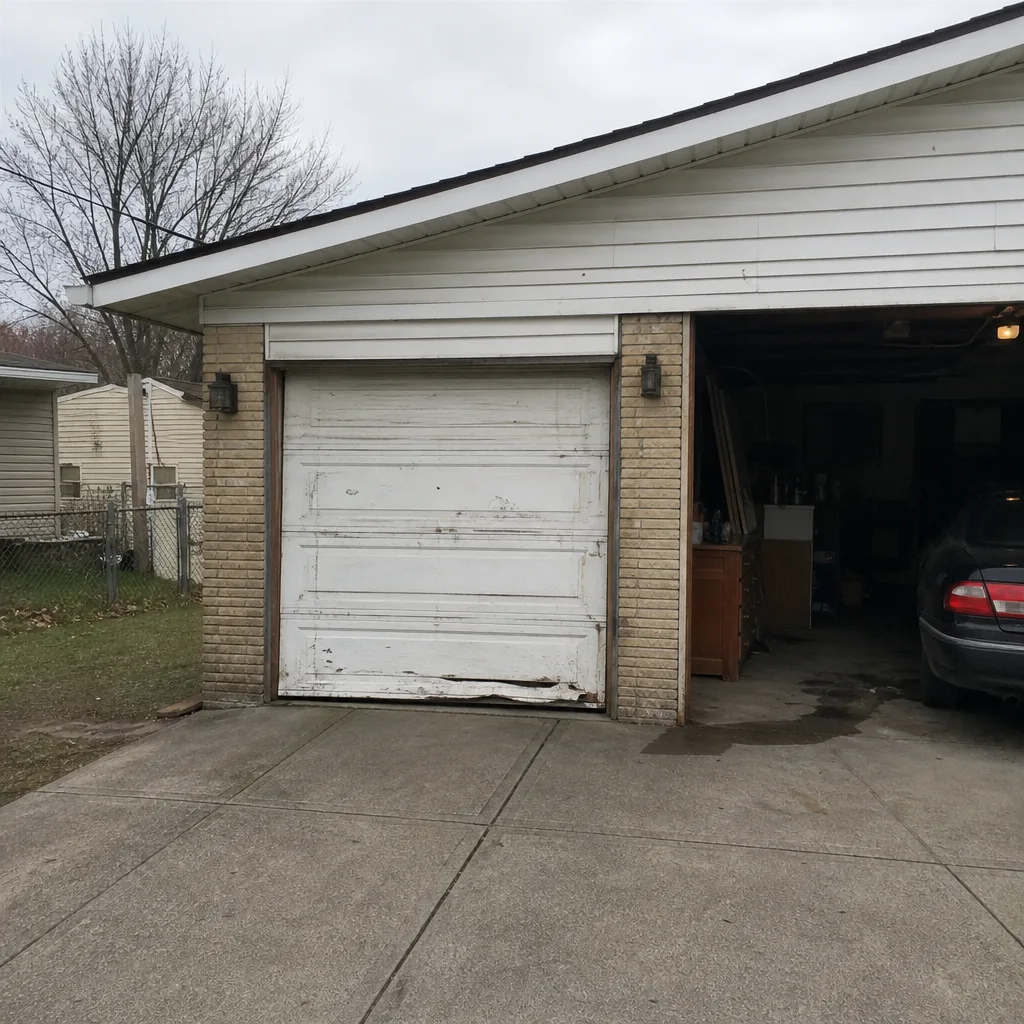 Before
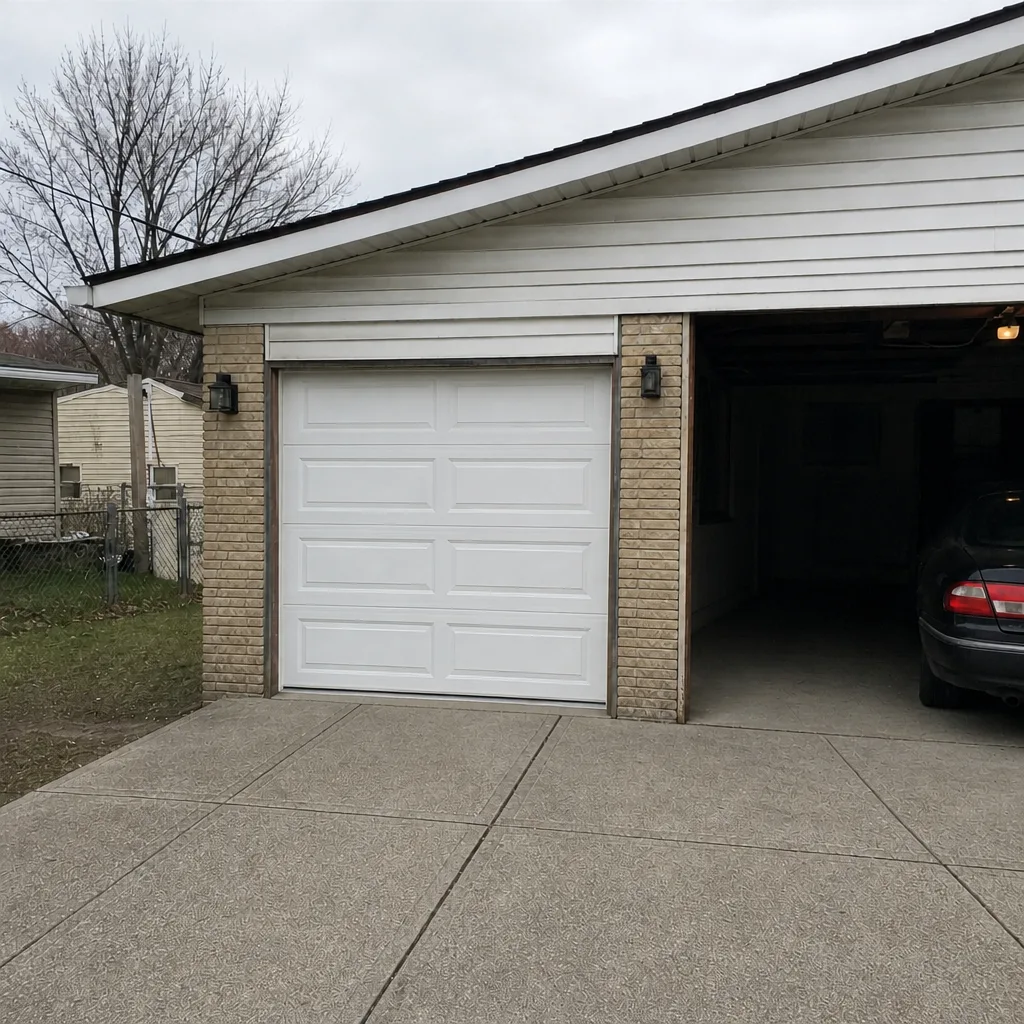 After
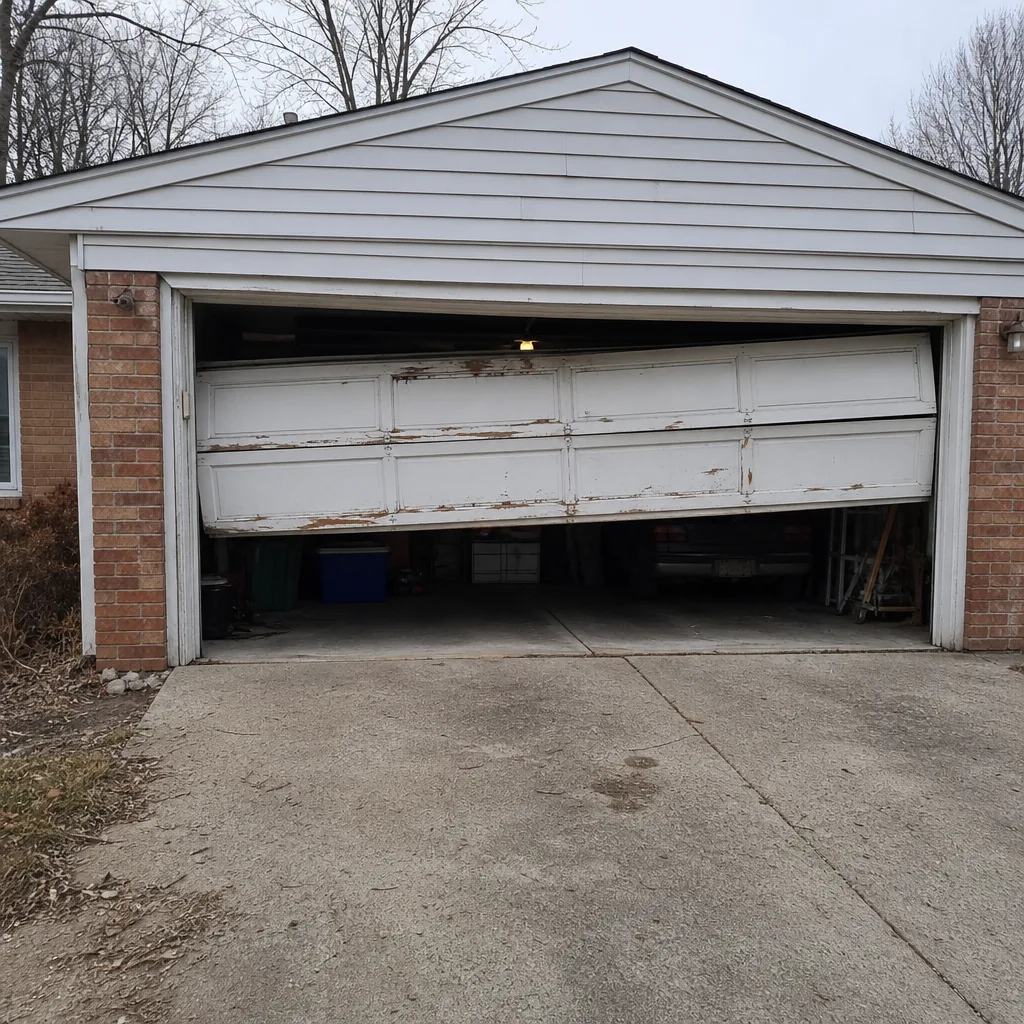 Before
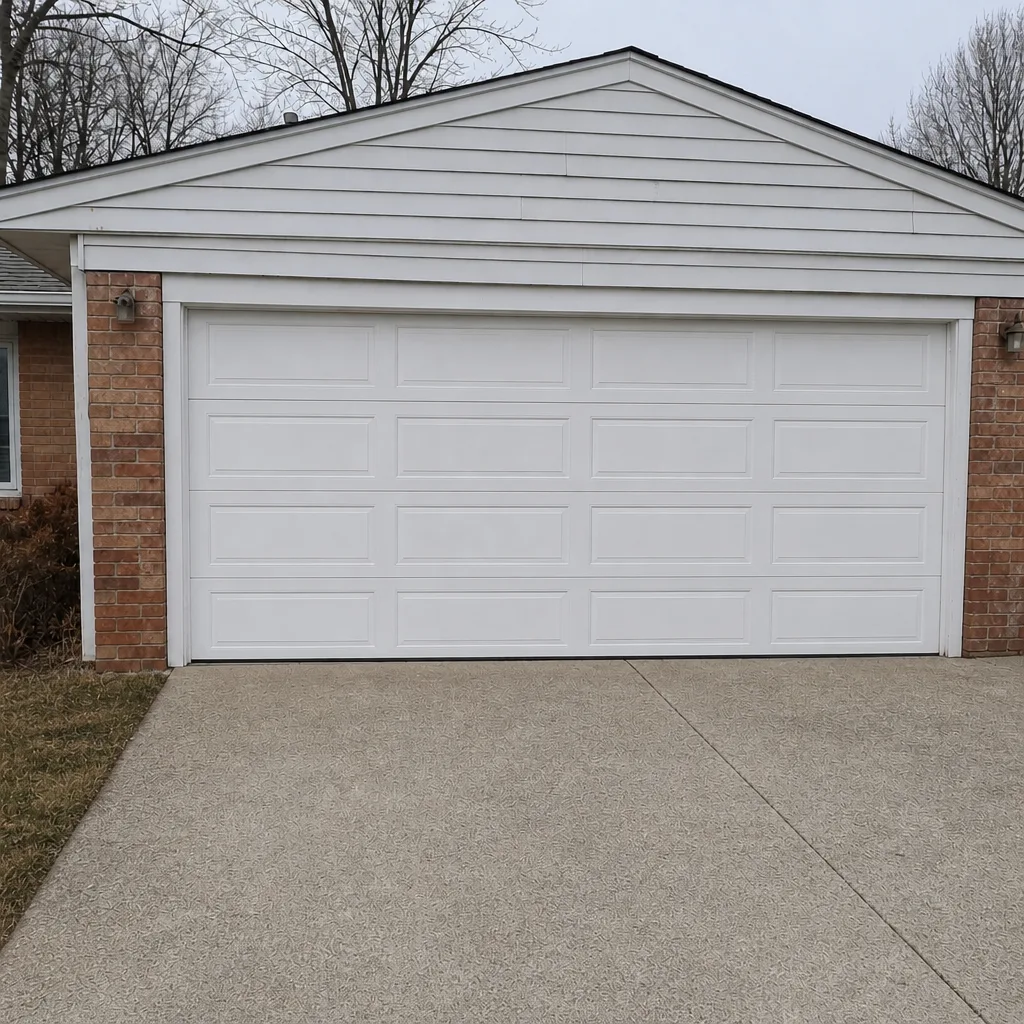 After
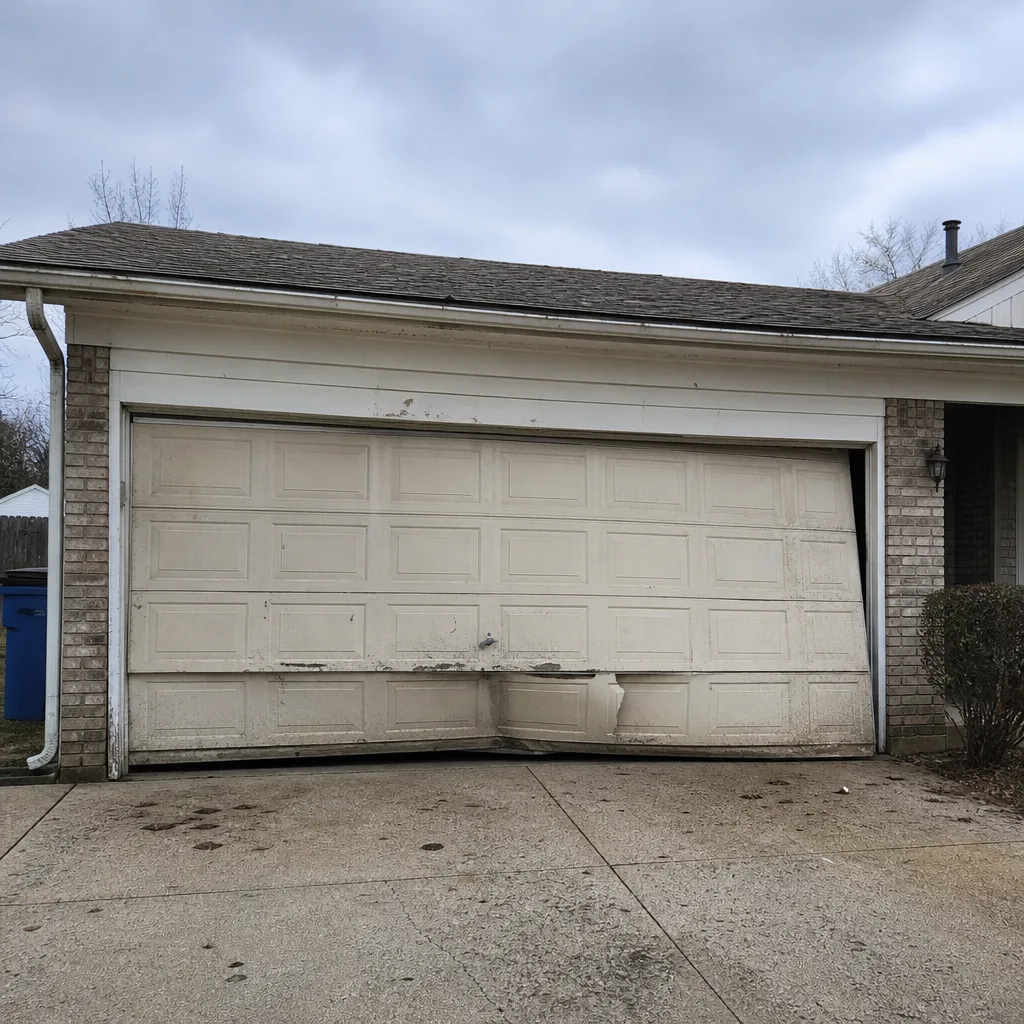 Before
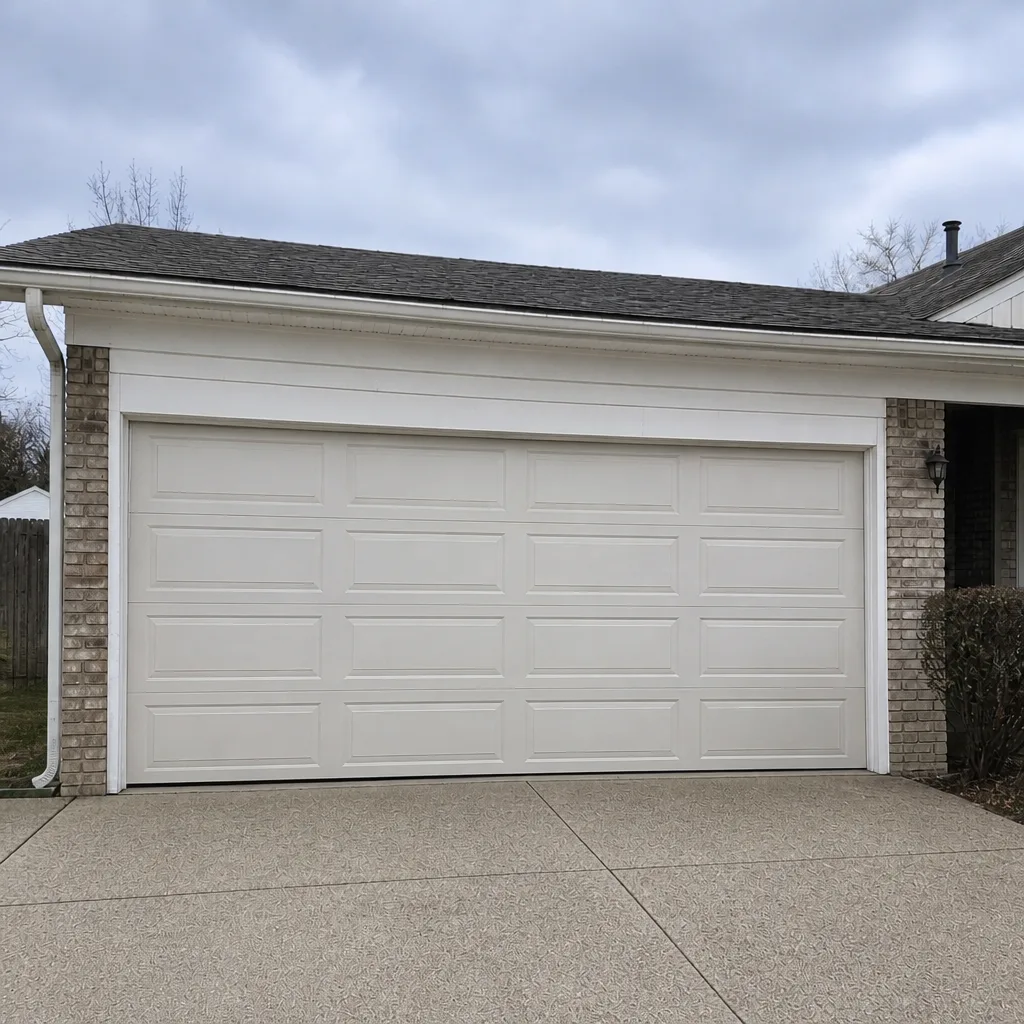 After
When to Call a Professional
Call a professional for any spring or cable issue. These components store serious energy, and the injury risk when they release wrong is real. Don’t attempt to wind, unwind, or replace them yourself, and don’t let a general handyman take the job as a favor. Call for a door that won’t open or close, a door that’s visibly off its tracks, an opener that won’t respond or keeps reversing, a snapped spring, or a panel that’s been damaged. Call before replacing an opener that might just be reacting to tired springs. And call when your door is making new noises that weren’t there last month – catching a problem early is cheaper than catching it after. Garage Door Repair Westgate offers free estimates in Westgate: call (844) 263-6149. The written estimate sets the final price, and it comes before any work starts.
Frequently Asked Questions
Most garage door repairs in Westgate come in as a quoted range per job, and the exact figure depends on the part, the door’s weight and setup, and how much labor the job takes. The right move is a free written estimate rather than a number pulled from a chart. Call (844) 263-6149 to book one – the price is agreed before any work begins.
Ohio doesn’t require a separate garage door contractor license, which means license status isn’t the filter you should rely on. Vet the company’s specialization, brand access, written estimate quality, and warranty terms instead. Those four tell you more than a license card ever could in this trade.
Ask the five technical questions in this guide. A specialist talks about spring cycle ratings, door weight, logic boards, and component-level repair by opener brand. A generalist answers in generalities. Add the manufacturer dealer locator check for LiftMaster, Clopay, or Amarr and you have a reliable answer in a few minutes.
Spring failure is repair work, and same-day booking is often possible when you call. The fastest answer is a call to (844) 263-6149 with your door’s details. Installation and replacement work are different: those are measured, ordered, and scheduled rather than handled same-day.
No – the written estimate sets the price. If we find something the phone quote couldn’t see when we arrive, we tell you before touching the work rather than billing a surprise. Upfront pricing means the quote is the agreement.
The local pro you’re connected with is licensed and insured as the state requires, and garage door work calls for real technical experience. Our technicians have up to 9 years of experience across the major brands. Call (844) 263-6149 if you have questions before you book.
The Bottom Line
Hiring a garage door contractor in Westgate comes down to telling a specialist from a generalist – and you can’t do that on price alone. Run the five technical questions. Spend the 90 seconds on the brand locator for LiftMaster, Clopay, or Amarr. Demand a written estimate with part numbers, spring cycle rating, labor scope, and warranty terms. Walk away from phone-quoted spring jobs, unmarked vans with no address, and “lifetime” warranties you can’t read. Get the door fixed before winter arrives. And once you’ve narrowed to a real specialist, the rest is easy. Garage Door Repair Westgate connects you to a garage door specialist for repair, opener service, spring replacement, parts, and installation across the major brands. Call (844) 263-6149 for a free estimate.
Written by the team at Garage Door Repair Westgate.