Last updated November 20, 2026
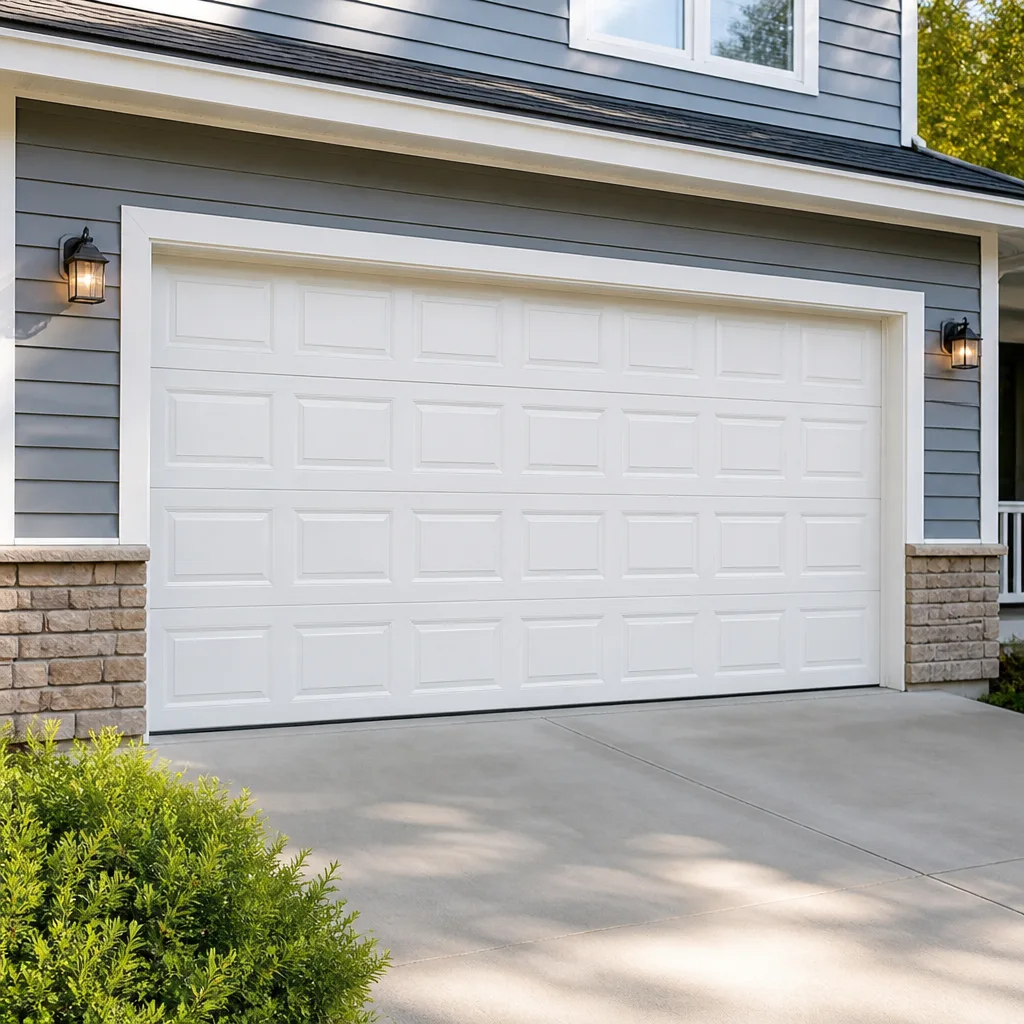 Raised-panel steel
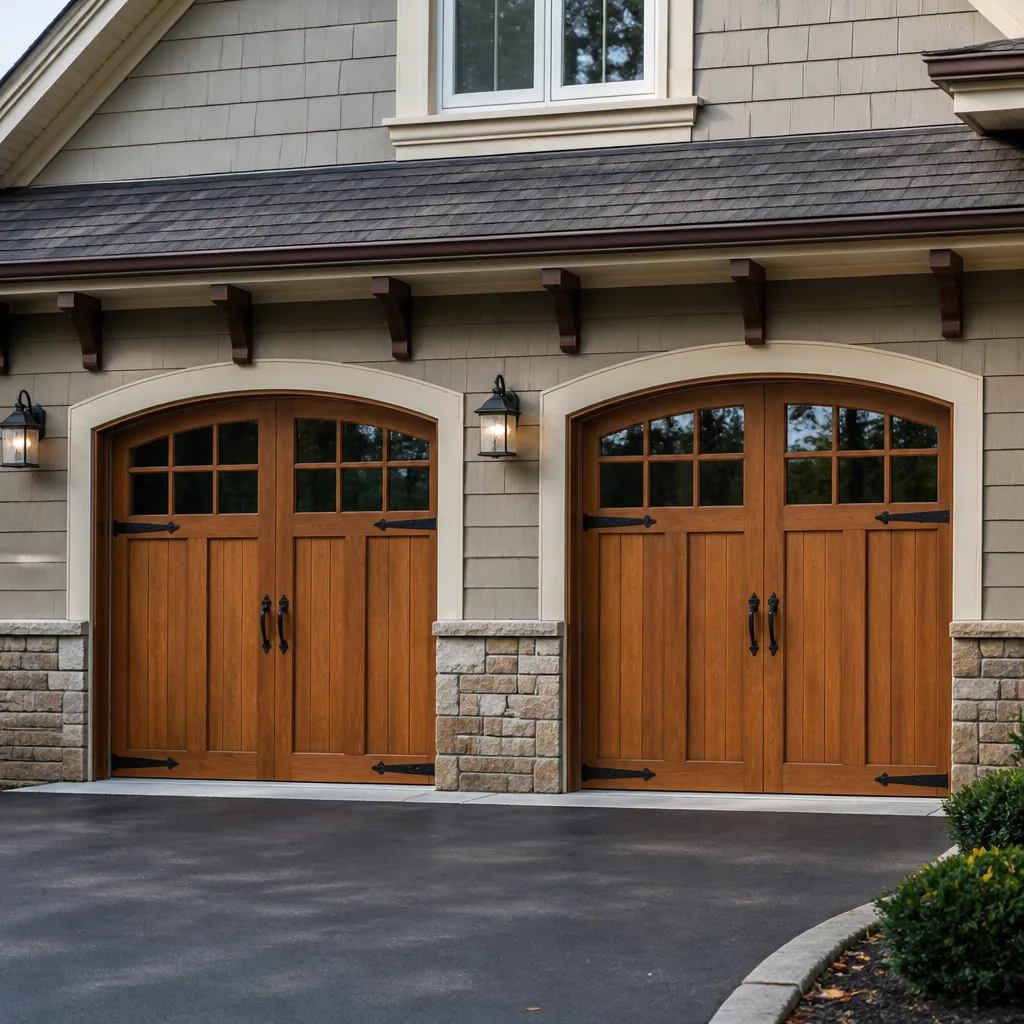 Carriage house
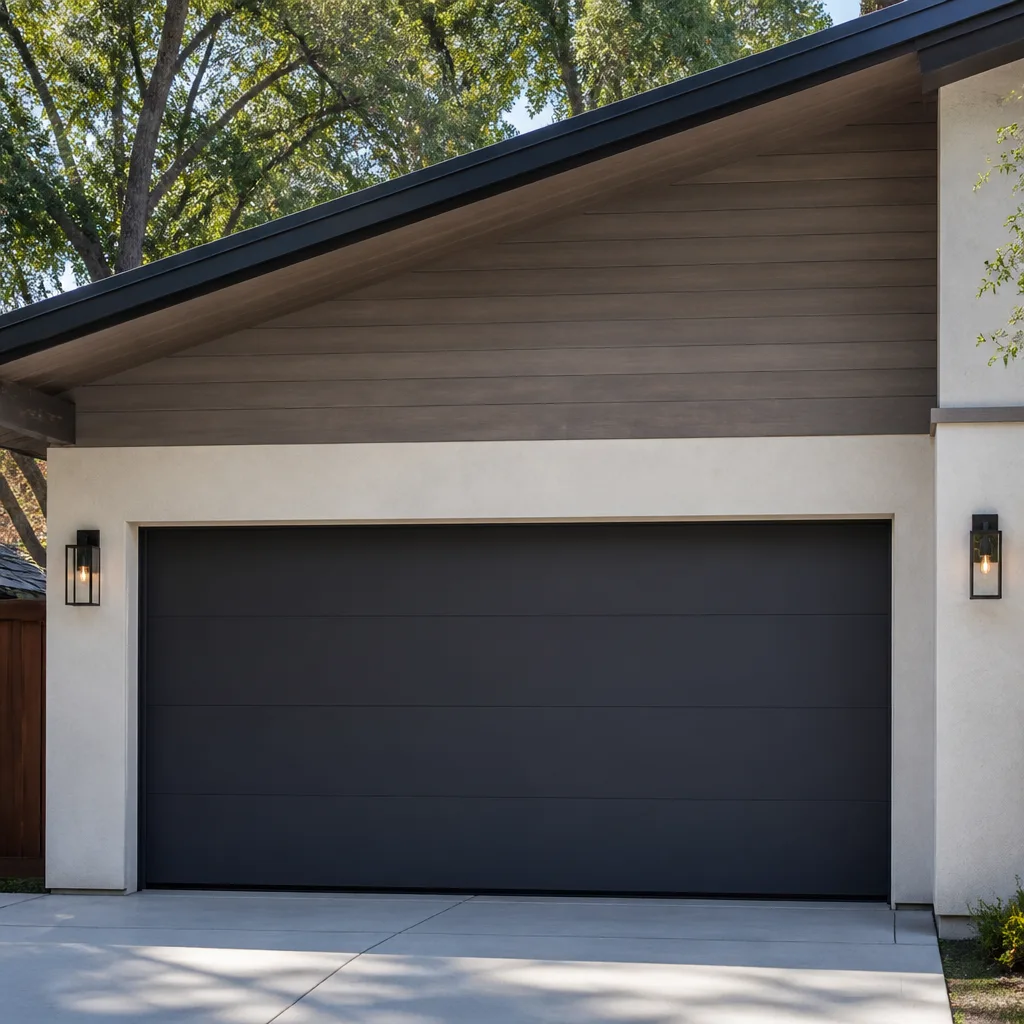 Modern flush
 Full-view glass
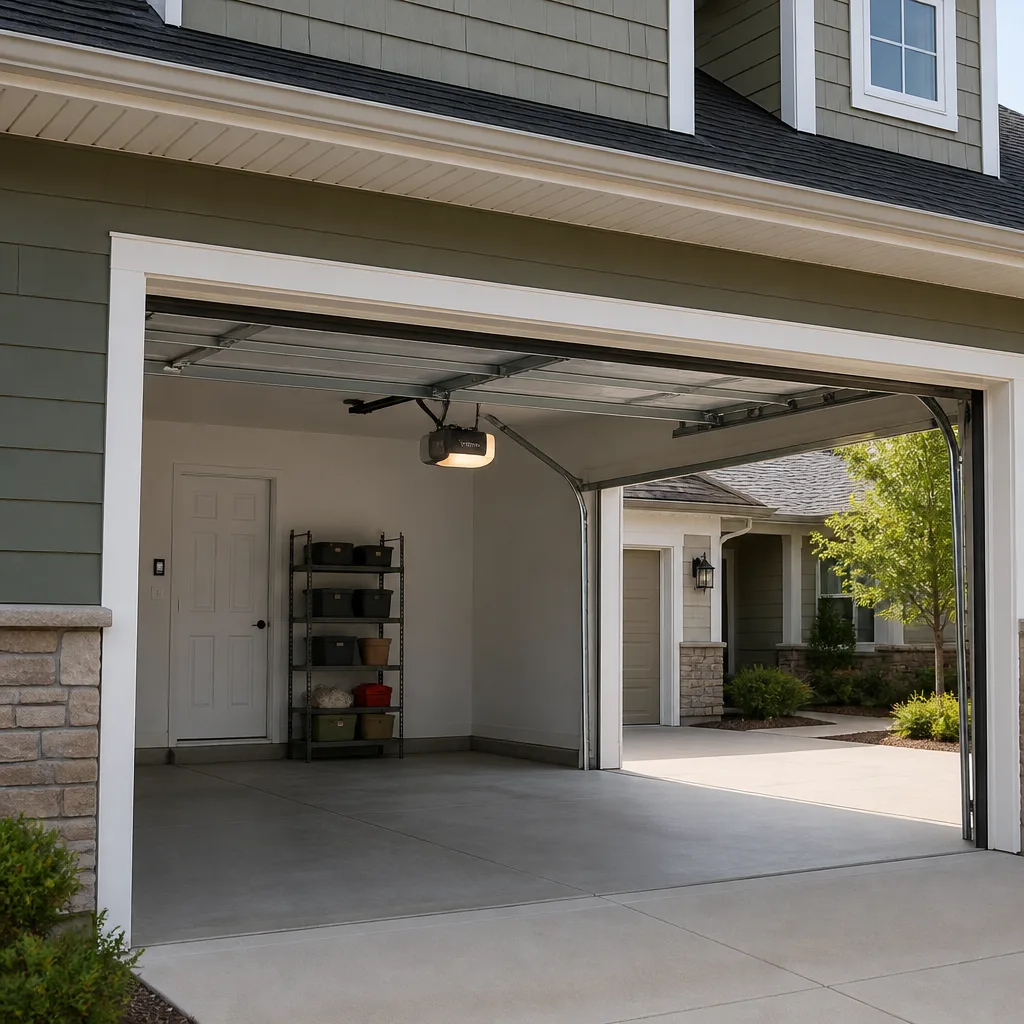 LiftMaster openers
 Chamberlain openers
Full 25-point door and opener safety check with every visit - springs, cables, rollers, tracks, and your LiftMaster or Chamberlain opener included
You get a price before we start. It does not change when the pro arrives.
Get your free estimateGarage Door Warning Signs: A Westgate Homeowner’s Reference Guide
A garage door that hesitates for half a second before it moves isn’t quirky. It’s usually a torsion spring that has lost enough tension to force the opener to work outside its torque rating. Leave that half-second pause alone and it tends to turn into a much bigger repair within a couple of months. Most doors we look at in Westgate don’t fail out of nowhere. They warn you first, through a sound, a stutter, a bit of rust, or a door that drifts down a few inches after it closes. The trouble is that most homeowners don’t have the vocabulary to read those signals, so they wait. This guide gives you that vocabulary: what each sound and movement points to, how urgent it is, and when to stop using the door entirely.
Quick Answer
The most serious garage door warning signs are a door that creeps down on its own, a grinding or popping sound from the torsion bar, visible fraying on the cables, and a door that jerks hard to one side. Those point to spring, cable, or balance failures that can fail suddenly and dangerously. Slower cues like squealing rollers, a hesitating opener, or a shrinking weatherseal gap are early warnings you can usually schedule within the week. Learning to tell the two groups apart is the whole point of this reference.
Styles & brands we work with
- Raised-panel steel
- Carriage house
- Modern flush
- Full-view glass
- LiftMaster openers
- Chamberlain openers
Table of Contents
- The Sound Diagnostic Index: What Each Noise Tells You
- Movement Signals: Hesitation, Jerking, and Creep
- The Visual Warning Catalog: Springs, Cables, Rollers, Seals
- Urgency Tiers: When to Wait, and When to Stop Using the Door
- Warning Signs Tied to Ohio’s Climate
- Is It the Door or the Opener? How to Tell the Difference
- Why Brand Matters When You Read the Signs
- Repair or Replace: Reading the Signs Across the Whole Door
The Sound Diagnostic Index: What Each Noise Tells You
“It’s making a weird noise” is where most homeowner descriptions stop, and it’s the least useful thing you can tell a technician. Every garage door system produces a small set of recognizable sounds, and each one tends to map to a specific component. If you can describe the sound in these terms, you skip a whole round of guesswork.
Grinding
A grinding sound that tracks with the door’s movement usually means metal is contacting metal where it shouldn’t. Common sources are worn steel rollers that have lost their bearings, a torsion bar turning dry in its center bearing plate, or a bent track the roller is scraping against. If the grinding shows up right when the door starts or stops, suspect the opener’s drive gear or rail before the door hardware itself.
Popping or a Sharp Bang
A single sharp pop followed by the door refusing to open is the classic sound of a torsion spring breaking. It’s not gradual and it’s not subtle: the spring releases its stored energy at once. If you hear that pop, stop. Don’t run the opener again to “see if it works.” A door with a broken spring is unbalanced and dangerously heavy, and the opener is now pulling on a system that can’t lift it safely.
Squealing
High-pitched squealing is usually friction, and it’s the most benign sound on this list. Rollers with dry or seized bearings, hinges that need lubrication, and nylon rollers that have worn flat all squeal before they fail. Squealing is a scheduling signal, not an emergency.
Banging or Rattling
A loose rattle over bumps in the track points to loose hinges or a door panel that has started to separate from its stiles. A heavier banging on the way down can indicate a door that’s out of balance and slamming the last few inches because the springs aren’t holding their share of the weight. That banging is a balance problem dressed up as a noise problem.
Movement Signals: Hesitation, Jerking, and Creep
How a door moves tells you as much as how it sounds. Watch the door for a full open and close cycle once a month and you’ll catch most of these before they become failures. It takes about thirty seconds.
The half-second hesitation
If the opener engages and the door pauses before it starts moving, the opener is working harder than it was designed to. On most doors that means the torsion springs have lost tension, so the opener is lifting more of the door’s weight than it should. It will do it for a while, but the drive gear and motor take the strain the whole time.
Jerking or moving unevenly
A door that lurches, moves in steps, or tilts to one side is usually telling you about a cable. One cable has stretched or slipped off its drum, so one side of the door is lifting faster than the other. A door running uneven is also a door running its rollers against the track at an angle, which wears the track. Uneven movement should get a same-week call.
Creeping down after it closes
This is one of the most ignored and most important signs. Close the door and watch it for a minute. If it settles down even an inch or two, the springs aren’t holding the door’s weight against gravity. A door that creeps is a door that can drop. Don’t park under it and don’t leave it half open.
Slamming the last few inches
A door that drops hard at the end of its travel instead of easing down has lost its spring counterbalance at the low end. It’s the mirror image of the hesitation on the way up, and it stresses panels, hinges, and the bottom bracket every time it happens.
The Visual Warning Catalog: Springs, Cables, Rollers, Seals
Some of the clearest warnings you can read at a glance, with the door closed and the opener off. Work down this list a couple of times a year.
Torsion springs: surface rust vs. deep pitting
Oil-tempered springs wear out, and rust is how they show it. Light surface rust on a spring that’s otherwise smooth is fairly normal in a humid climate. Deep pitting is different: if you can feel pits, flaking, or a rough scalloped surface on the coils, the spring has lost cross-section and is closer to breaking than its age suggests. Pitting on a spring gets it replaced on schedule, not left.
Cables: fraying benchmarks
Cables on a garage door are under heavy tension and should be left alone, but they can be inspected from a safe distance. A healthy cable is smooth and even along its whole length. Warn signs are a “birdcage” where the strands have separated and bunched, single broken strands standing up like a burr, a cable that has jumped its drum, or one cable noticeably slack compared to the other. Any of those is a stop-using-the-door condition. Never touch a cable under tension: they can cause severe injury.
Rollers: wear patterns
Steel rollers on most residential doors develop flat spots on their bearing surfaces. From the ground, look along the roller stems for wobble, or listen for a rattle as the door moves. Nylon rollers wear differently: they crack and chip. Worn rollers are a maintenance item you replace as a set before they chew up the track.
Weatherseal: gap vs. misalignment
Check the gap between the bottom seal and the floor from both inside and outside. A seal that presses evenly and thins out toward one end usually means the seal itself has flattened. A gap that’s wide on one side and tight on the other is more often a track alignment problem. The difference matters, because replacing a seal won’t fix a door that’s out of square.
Urgency Tiers: When to Wait, and When to Stop Using the Door
Not every warning sign means the same thing. Sort what you’re seeing into one of these three tiers when you call, and the conversation starts in the right place.
Tier 1: Schedule within the week
- Squealing or rattling from rollers or hinges
- A light dusting of surface rust on torsion springs
- A hesitant start that resolves quickly once the door moves
- One or two broken opener remotes or a sluggish keypad
- A weatherseal that has flattened but not separated from the door
These are all signs of wear heading toward failure. Fixing them early is the cheapest repair on the list.
Tier 2: Don’t use the door until repaired
- Any popping or bang from the torsion bar
- A door that creeps down after closing or slams at the bottom
- Visible cable fraying, birdcaging, or a jumped cable
- A door that moves noticeably uneven or jerks to one side
- A bent, cracked, or separated panel
Close the door manually if you can do it safely, or leave it where it is, and call. Running the opener on a door in this tier can turn a repair into a replacement.
Tier 3: Immediate safety hazard
- A torsion spring that has broken altogether
- A cable that has snapped or come off its drum under tension
- A door that has come off one or both tracks
Keep people and cars away from the door and call for a specialist. Don’t try to lift a door with a broken spring by hand, and never attempt to work on a cable or spring under tension. These are the two parts of a garage door that can cause serious injury, and they should only be handled by trained professionals.
Warning Signs Tied to Ohio’s Climate
Westgate’s weather works on garage doors in a way that changes which signs you should look for. Winters bring repeated freeze-thaw cycles, and summers add humidity, road salt, and heat. Put those together and a few specific warning patterns show up here that you won’t read about in a generic guide.
Brine corrosion on the bottom brackets and hinges
Road salt brine travels with your car and settles at the lowest point in the garage. The bottom brackets, bottom hinges, and the lowest few inches of the door take the worst of it. When you see orange-brown streaking or flaking on those low fittings, that’s chemistry working on hardware that carries the door’s weight and tension. Inspect the bottom bracket and the hinges nearest the floor before the ones higher up. Cleaning them off in late winter and keeping them lubricated slows the wear.
Condensation-related sensor false trips in spring
In spring, warm days and cold nights produce condensation inside the garage. That moisture can fog the lens on the safety sensors at the bottom of the tracks, or coat dusty reflectors, so the door reverses partway down or refuses to close. A sensor that trips only on damp mornings and works fine in the afternoon is usually condensation, not a failed sensor. Wiping the lenses is the first thing to try.
Panel warping from freeze-thaw
Wood-framed or insulated panel doors expand and contract as water gets into seams and freezes. A panel that’s out of flat when the weather turns cold, and straightens in summer, is showing freeze-thaw movement. Repeated cycles loosen the factory bond between panel skins and frames, so look for slight bows along the seams in midwinter. A door that’s developed a bow also strains its hinges and rollers.
Is It the Door or the Opener? How to Tell the Difference
Plenty of “the opener is broken” calls turn out to be a door problem wearing the opener down. Separating the two saves time and points you to the right fix. Run this check with the door disengaged from the opener using the manual release.
- Pull the manual release and lift the door by hand. A balanced door should lift with one hand and stay in place anywhere in its travel. A door that feels heavy or won’t stay put has a spring or balance problem, not an opener problem.
- Listen for the sound with the opener running a disengaged door. If the rail runs clean but the engaged door grinds, the fault is in the door hardware.
- Check the opener’s LED codes. Most LiftMaster and Chamberlain units flash a diagnostic code at the head. A handful of flashes point to a specific fault, from a sensor obstruction to a jammed gear. Genie units use a different code set, and older Craftsman-branded openers have their own. Knowing the code before you call shortens the visit.
- Watch the wall button. If the wall button works but the remote doesn’t, the fault is in the remote or receiver, not the opener’s drive.
- Count the door’s cycles in your head. A door that opens and closes a dozen times a day is wearing its springs, rollers, and drive gear faster than a door that cycles twice.
If the door balances and runs smooth by hand but the opener still struggles, the problem is inside the opener. That’s a different repair from the door itself, and worth describing that way when you call. Our garage door opener repair covers drive systems, motors, and smart-home connectivity across the brands most homeowners in Westgate have.
Why Brand Matters When You Read the Signs
A noise that means one thing on a Raynor door can mean something slightly different on a Clopay, and an opener diagnostic code depends entirely on who made the head. That’s why it pays to know your brand before you call. We work on eight of the most widely installed garage door and opener brands: LiftMaster, Chamberlain, Genie, Clopay, Amarr, Wayne Dalton, Craftsman, and Raynor. Reading the signs with the brand in hand lets a technician make a specific diagnosis instead of a guess.
Here’s how brand shapes what a symptom actually means:
- Raynor doors use their own spring and hardware conventions, so a “popping” sound on a Raynor torsion system points to a specific spring type and replacement procedure.
- LiftMaster and Chamberlain openers share a diagnostic flash-code family, so the code on the head means the same thing across both, but neither matches a Genie code.
- Genie systems have their own screw-drive or belt-drive architecture, and a grinding noise from a Genie screw drive is a different fault than a grinding noise from a belt-driven LiftMaster.
- Craftsman openers from the Sears era use a different logic board and remote frequency, which affects how a “remote won’t work” call gets fixed.
The brand also affects how fast a repair can happen, because a single-brand shop has to order parts for whatever brand it doesn’t carry. We stock parts across multiple major brand lines, so a broken roller, a worn hinge, or an opener gear is more often a same-visit fix than an order-and-wait. If you don’t know your brand, read the label on the opener head or the sticker on the door panel, and we’ll work it out from there.
Repair or Replace: Reading the Signs Across the Whole Door
The warning signs you gather all point to one question: is this a repair or a replacement? Some signs say fix it now, and some say the door is telling you it’s nearing the end of its life. Sorting the two saves you from spending money on a door that’s about to give up.
Signs that point to repair
- One broken spring, with the other spring and the door panels sound
- A single cracked or dented panel that can be swapped without disturbing the rest
- Worn rollers, hinges, or a stretched cable that can be replaced as hardware
- An opener that’s failed but the door itself balances and runs clean
- A weatherseal that needs replacing on an otherwise sound door
Signs that point to replacement
- Multiple panels that are warped, cracked, or separating at the seams
- A door that has rusted through at the bottom brackets and framework
- Repeated balance problems despite new springs and hardware
- A door that has come off its tracks and damaged the track, hinges, or the door’s structural frame
Honest guidance matters here. A door with three failing panels and rusted framework on a single spring replacement is a door you’ll be calling about again in a season. A sound door with one broken spring is a repair. We’ll tell you which one makes sense, and our garage door installation covers the replacement side of that conversation across the major brands. Reading the signs early is the reason most doors are repairable rather than replaceable, and it’s what this whole guide is built for.
Common Mistakes to Avoid
- Running the opener on a door that has clearly lost its balance. If the door creeps down or hesitates, the opener is already working overtime. Running it again to “check” wears the drive gear and can turn a spring repair into an opener repair too.
- Trying to work on springs or cables yourself. These parts are under heavy tension and can cause serious injury. Surface rust is something you can inspect, but a replacement belongs with a trained technician.
- Assuming unusual noise is just an old door. In Westgate, the freeze-thaw cycles make hardware noise look normal. If a new sound shows up in the same week as a cold snap, don’t dismiss it as “that’s just winter.”
- Lubricating the torsion bar itself instead of the hinges and rollers. Spraying oil on the torsion spring or cable doesn’t fix the noise and can make things worse. The right targets are the rollers, hinges, and the track-to-roller contact points.
- Replacing a weatherseal without checking track alignment. A gap that’s wide on one side is usually a track problem, and a new seal on a misaligned track will wear out fast. Read the gap pattern before you buy the seal.
- Ignoring condensation-driven sensor trips all spring. A door that reverses on damp mornings and works by afternoon isn’t broken, but it’s still a safety issue. Clean the lenses and call if it keeps happening.
- Calling a general handyman for a spring or cable repair. These are the two parts of a garage door with real injury risk. A technician with door-specific tools and training is the difference between a repair done right and an injury.
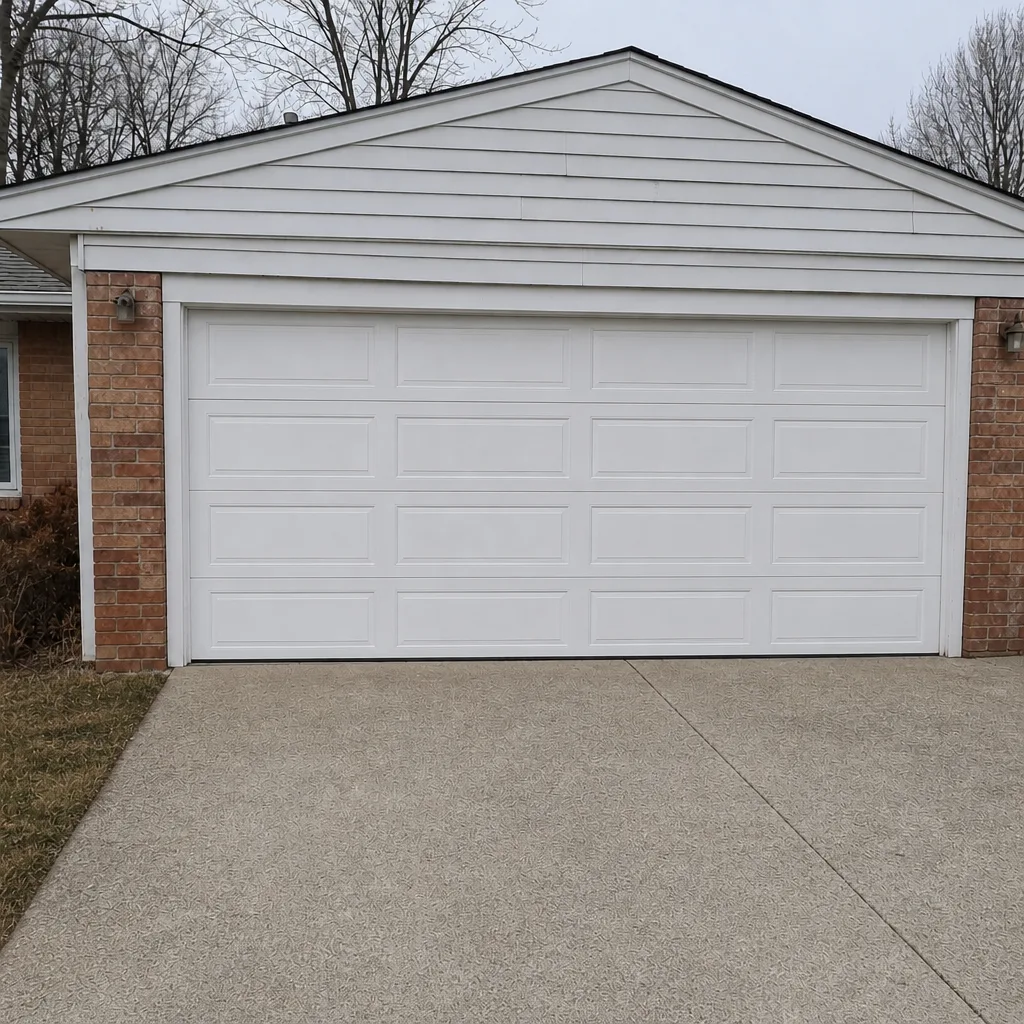
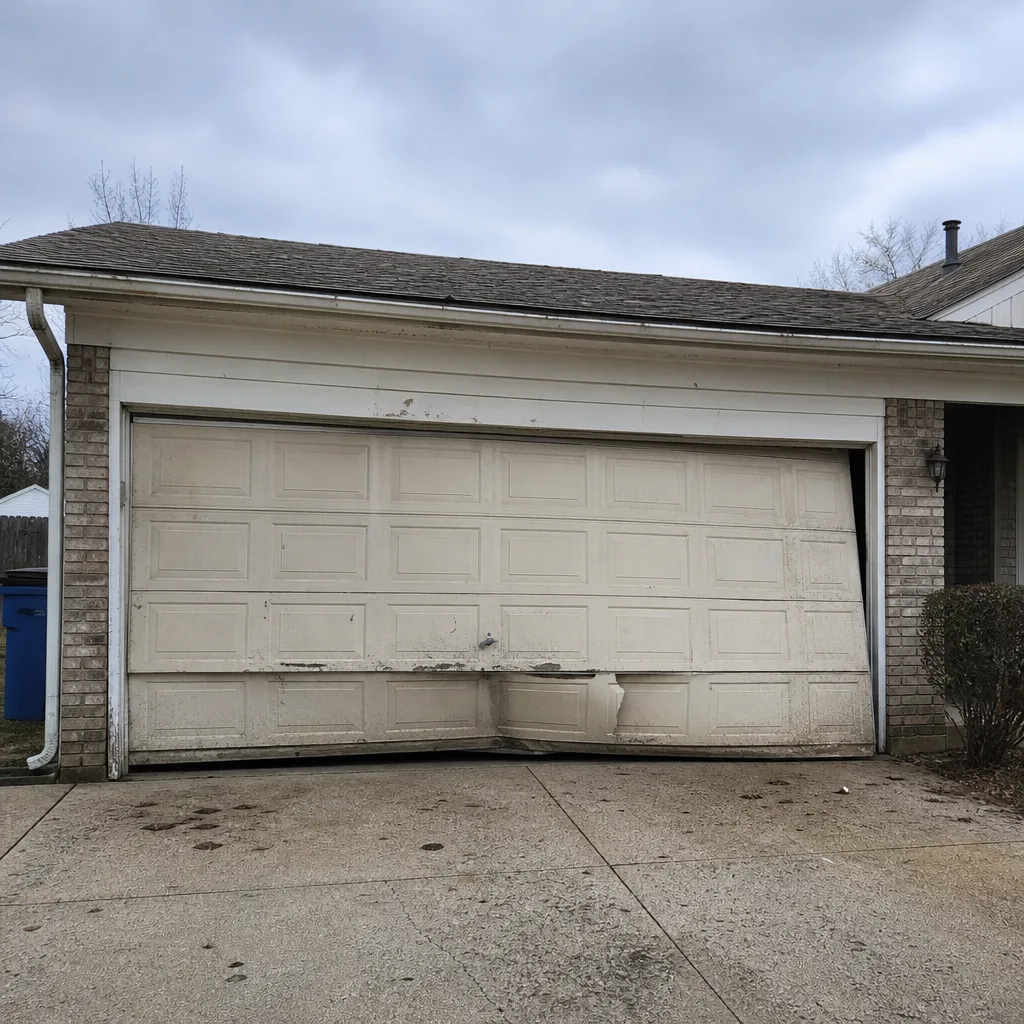
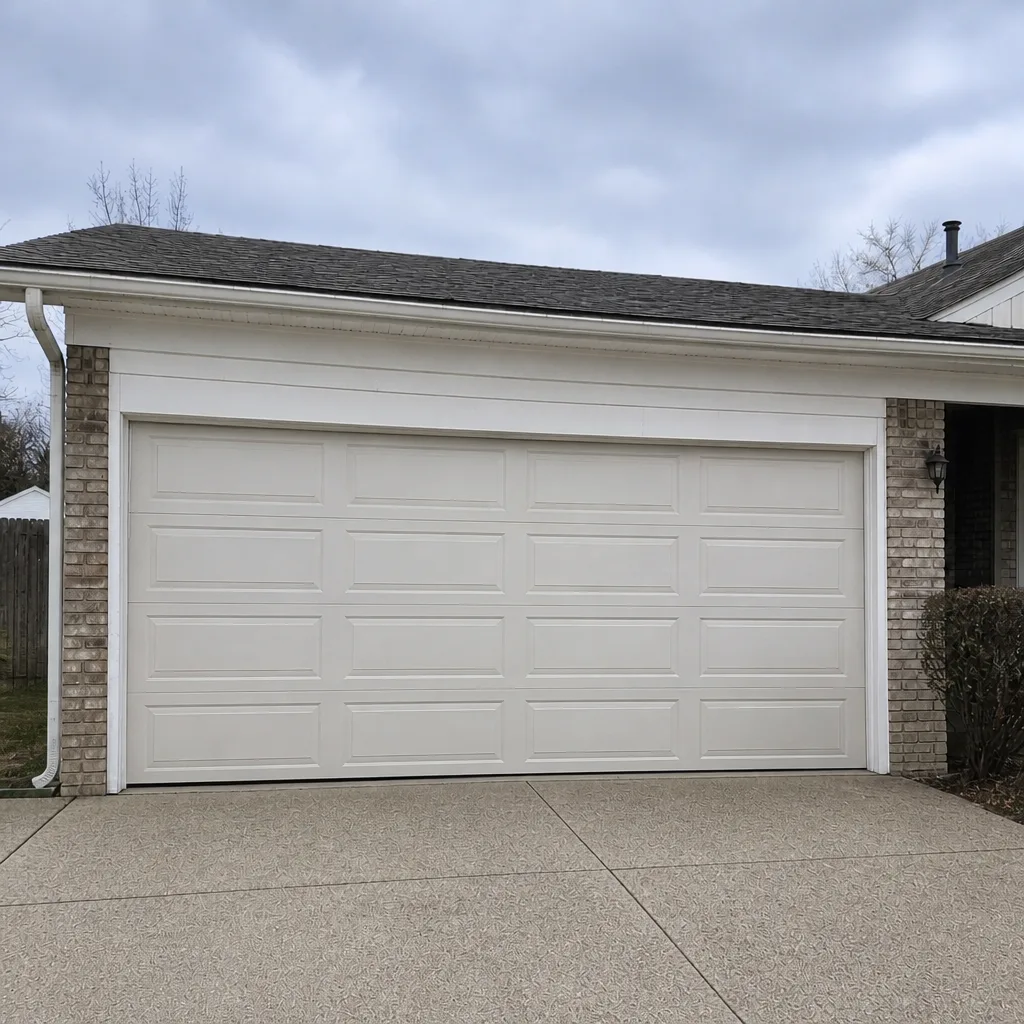
See the difference
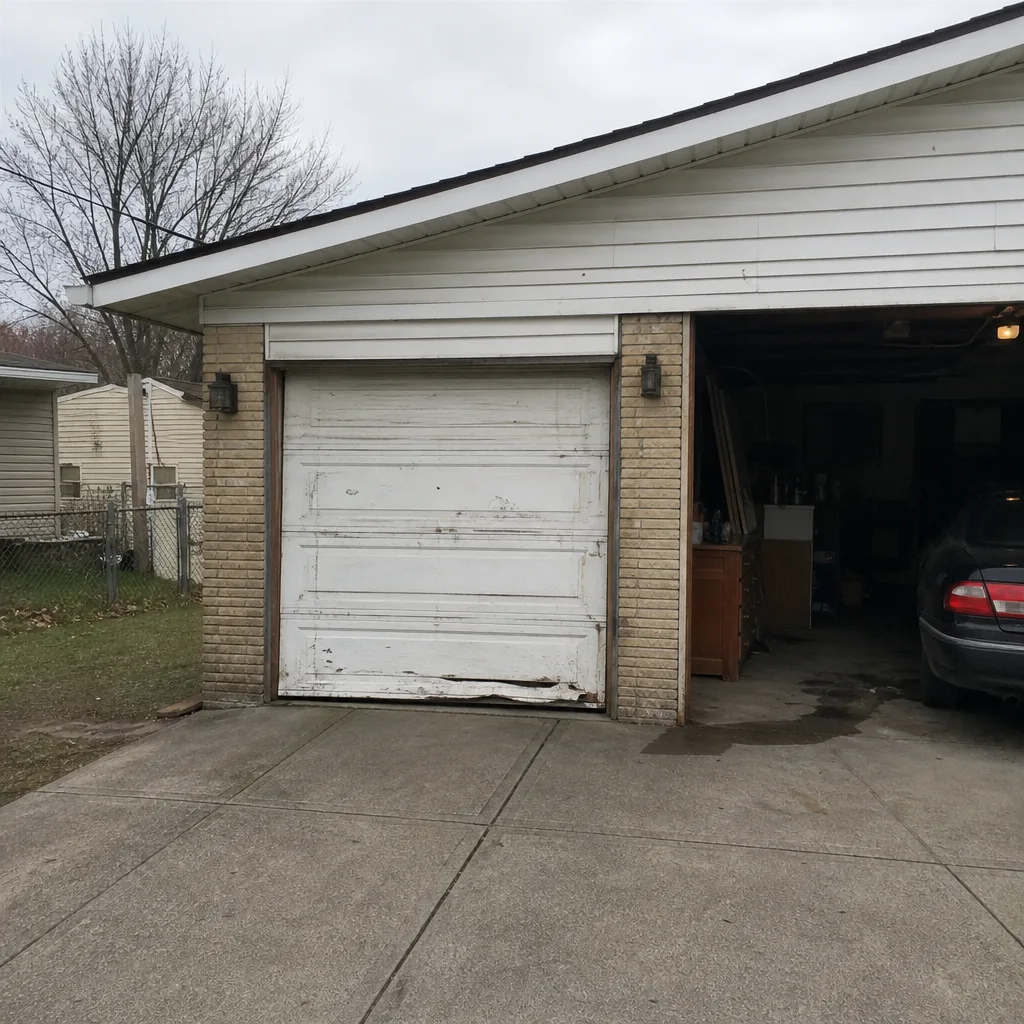 Before
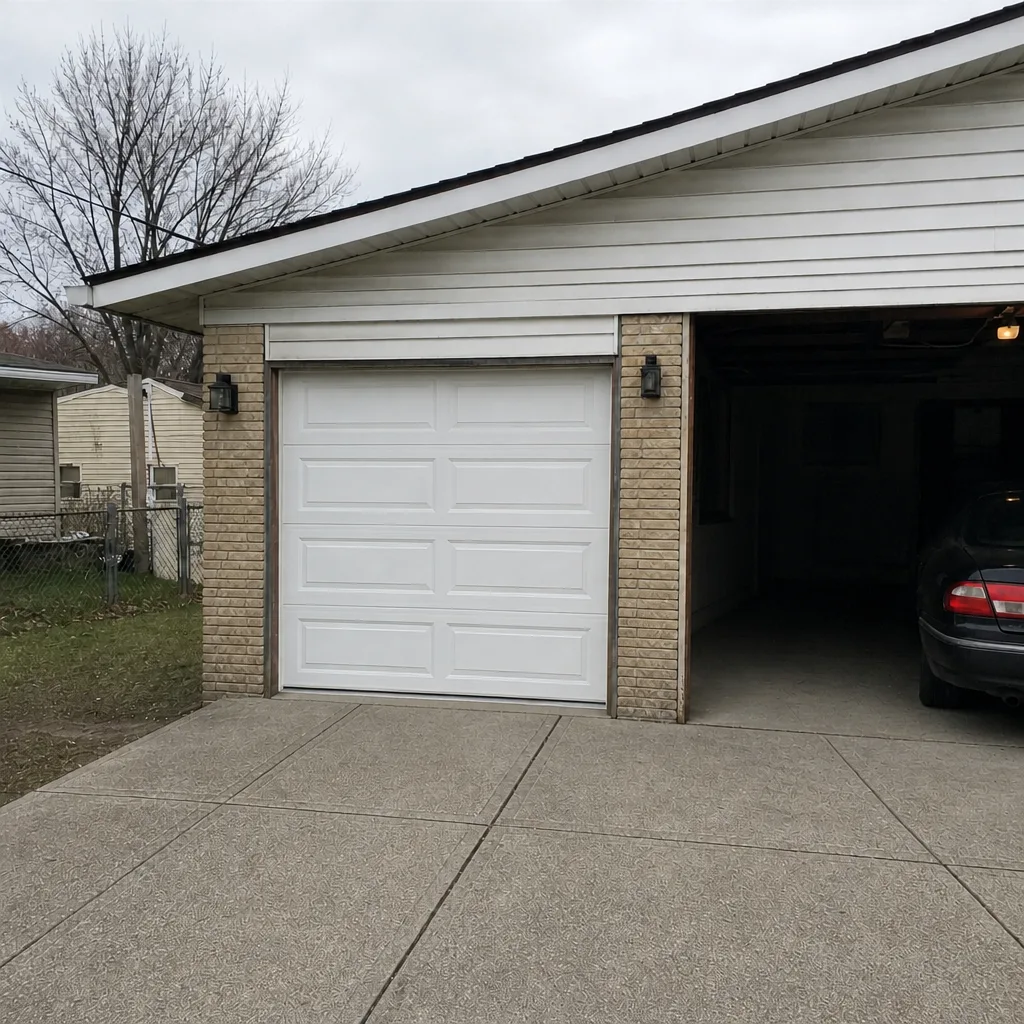 After
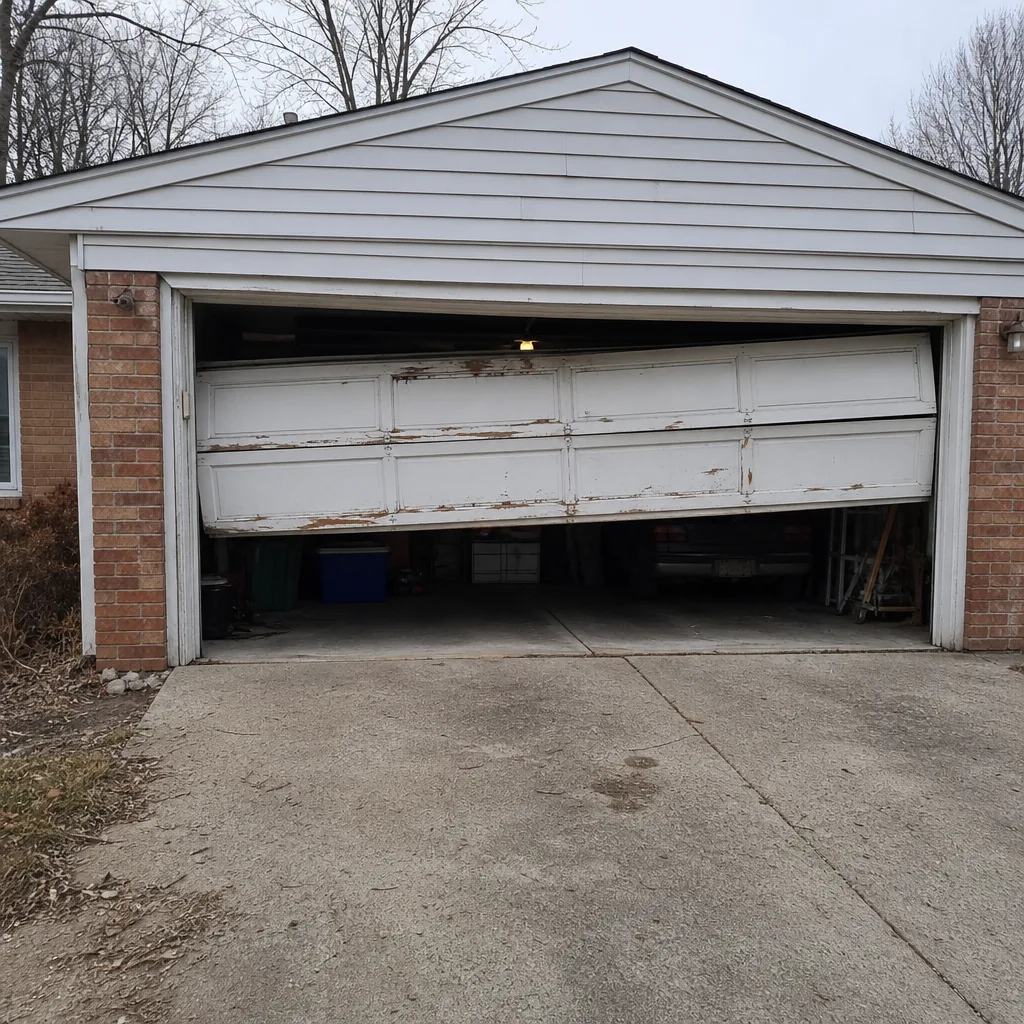 Before
 After
 Before
 After
When to Call a Professional
Call a professional when a warning sign crosses into Tier 2 or Tier 3: a door that creeps, a pop from the torsion bar, a frayed cable, or a door that won’t stay balanced. Don’t run the door to test it. Beyond that, call if you’re unsure which tier a symptom belongs in. A technician can read a hesitation, a sound, or a bit of rust in a minute and tell you the fault. The signs in this guide are how you get the diagnosis started. Garage Door Repair Westgate offers free estimates in Westgate, and our technicians have up to 9 years of experience, so call (844) 263-6149 and we’ll tell you what your door is telling us. If the issue is clearly a broken spring, our garage door repair handles the high-stakes spring work as a core service, not an add-on.
Frequently Asked Questions
The most serious warning signs are a door that creeps down after closing, a popping or bang from the torsion spring, visible cable fraying or birdcaging, and a door that jerks hard to one side. Each points to a spring, cable, or balance failure that can fail suddenly and dangerously. If you see any of them, stop using the door and call (844) 263-6149 for a free estimate.
Grinding alone is usually not an emergency, but it depends on what’s grinding. Grinding from worn steel rollers, a dry torsion bearing, or a bent track is a schedule-within-the-week problem. Grinding that follows a pop from the torsion bar is an emergency because the spring has failed. When in doubt, call and describe the sound.
A spring that’s about to break usually shows deep pitting, flaking, or scalloped coils rather than light surface rust, and the door may hesitate or creep because the spring has lost tension. The spring itself can’t tell you the exact day it will go, but heavy pitting plus a creeping door is the combination to act on now. Don’t try to inspect a spring under tension from up close. Call (844) 263-6149 and we’ll take a look.
A door that opens a few inches and stops usually has a spring that has lost its counterbalance, so the opener hits its force limit and reverses. Less often it’s a travel limit or sensor issue on the opener. Separating a door problem from an opener problem takes about two minutes with the manual release. Call (844) 263-6149 and we’ll diagnose it.
We service eight of the most widely installed residential brands: LiftMaster, Chamberlain, Genie, Clopay, Amarr, Wayne Dalton, Craftsman, and Raynor. If you’re not sure which one your door uses, the label on the opener head or the door panel usually settles it. Call (844) 263-6149 for an exact quote, and estimates are free.
The written estimate sets the price, and we quote and agree the price before any work starts. A specific sign in this guide, like a broken spring or a frayed cable, usually matches the diagnosis a technician confirms at the door. If the fault turns out to be different, you’ll hear about it before anything is replaced. Call (844) 263-6149 for a free estimate.
The Bottom Line
Garage door failures are almost never sudden. They announce themselves through a sound, a stutter, a rust pattern, or a door that creeps, and the homeowner who knows what those signs mean gets to fix a small problem before it becomes a large one. Watch your door once a month for a full cycle. Listen for grinding, popping, squealing, and banging, and know what each one points to. Sort what you find into the three urgency tiers. Pay attention to the Westgate-specific patterns that come with freeze-thaw winters and brine on the bottom hardware. And when a sign crosses into repair territory, call a specialist rather than a generalist. Our technicians have up to 9 years of experience, and we’re here to translate what your door is telling you. Call (844) 263-6149 for a free estimate, and we’ll take it from there.
Written by the team at Garage Door Repair Westgate.